Top 10 Benefits of N-Acetylneuraminic Acid for Health?
N-Acetylneuraminic Acid, often referred to as Neu5Ac, is a powerful nutrient with numerous benefits for health. This naturally occurring compound is a derivative of sialic acid, found in various animal tissues. It plays a crucial role in cellular processes and has garnered attention for its potential health advantages.
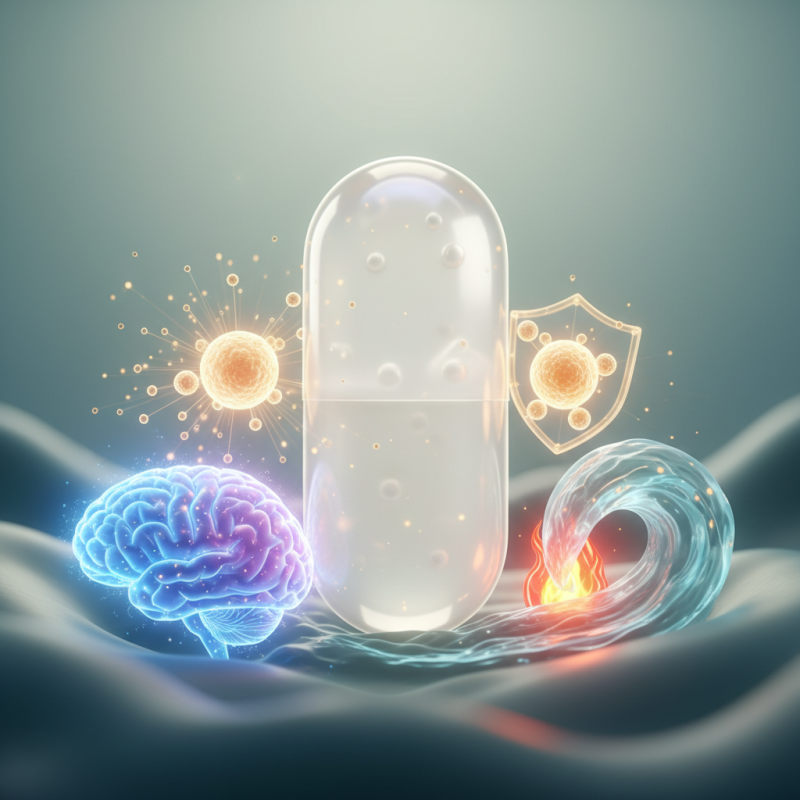
Research indicates that N-Acetylneuraminic Acid may enhance cognitive function. It is believed to support brain health by influencing neuronal communication. Furthermore, this compound shows promise in promoting immune responses, thereby aiding the body’s defense mechanisms. Some studies suggest that it may assist in reducing inflammation, which is vital for overall well-being.
Despite these advantages, more research is needed to fully understand the extent of its benefits. High-quality studies are essential to validate these claims. Consumers should approach N-Acetylneuraminic Acid supplementation with caution. Each individual may respond differently, and potential side effects should never be overlooked. Overall, N-Acetylneuraminic Acid holds the potential for positive health impacts, warranting further exploration.
What is N-Acetylneuraminic Acid and Its Role in Human Health?
N-Acetylneuraminic Acid (Neu5Ac) is a key sialic acid found in human tissues. It plays a critical role in various biological processes. Studies suggest it is essential for cell communication, providing structural stability to glycoproteins and glycolipids. This molecule is involved in brain health, influencing cognition and memory functions.
Research indicates a link between Neu5Ac levels and neurodegenerative diseases. For instance, lower amounts of this acid have been observed in individuals with Alzheimer's disease. This highlights its potential role in protecting against cognitive decline. Furthermore, a 2020 study published in the Journal of Biological Chemistry noted its involvement in immune responses. Higher levels of Neu5Ac may enhance the body’s defense mechanisms.
While Neu5Ac shows promise, not all findings are conclusive. More studies are necessary to fully understand its effects on human health. Current data presents a compelling case for its benefits, yet ongoing research is crucial. Only by exploring these findings can we harness the potential of N-Acetylneuraminic Acid effectively.
Overview of N-Acetylneuraminic Acid's Natural Sources and Availability
N-Acetylneuraminic acid (NANA) is a naturally occurring sialic acid. It plays a vital role in numerous biological functions. This compound is present in various foods and biological systems. Sources of NANA include animal tissues, particularly in muscle and nerve tissues. Additionally, dairy products are also rich in this essential nutrient.
Availability of NANA in our diet can vary significantly. Foods like eggs, fish, and certain types of meat provide higher concentrations. However, in plant-based diets, NANA levels are generally low. This might lead to deficiencies, especially for those avoiding animal products. It is essential to be aware of these variations.
Some studies indicate that supplementation can help improve health outcomes. Yet, not everyone may experience benefits. The absorption and utilization of NANA vary among individuals. Therefore, understanding one’s diet and lifestyle is crucial in assessing overall health. It is wise to consult a healthcare professional before making significant changes. This ensures a balanced approach tailored to individual needs.
Key Health Benefits of N-Acetylneuraminic Acid for Immune Function
N-Acetylneuraminic acid (Neu5Ac) plays a significant role in immune function. This sugar compound is present in various cell membranes. It acts as a crucial component for immune cells, enhancing their ability to communicate. When immune cells recognize pathogens, Neu5Ac helps in signaling pathways. Healthy levels of Neu5Ac may boost overall immune response.
Research suggests that Neu5Ac can influence the body’s inflammatory responses. It promotes the production of antibodies, which are vital for fighting infections. Moreover, Neu5Ac supports the function of T-cells. These cells are key players in managing immune reactions. A diet rich in Neu5Ac may lead to better resilience against common illnesses.
It’s important to note that while Neu5Ac shows promise, research is still developing. The exact mechanisms are not fully understood. More studies are needed to clarify its benefits. Individuals should consider various factors that can affect immune health, including lifestyle choices and diet. Balancing these elements is essential for achieving optimal health and immune function.
Impact of N-Acetylneuraminic Acid on Neurodevelopment and Cognitive Health
N-Acetylneuraminic Acid (Neu5Ac) plays a crucial role in neurodevelopment. It is a type of sialic acid found in human tissues. Research shows that this compound is essential for brain growth and function. It promotes synaptic plasticity, which is vital for learning and memory.
Studies indicate that Neu5Ac influences cognitive health as well. Higher levels are associated with improved cognitive performance in various age groups. However, the exact mechanisms remain unclear. Some scientists believe it helps in the formation of neuronal connections. This process can enhance information processing abilities.
Despite its benefits, more research is needed. Not everyone responds to Neu5Ac in the same way. Individual variations can affect outcomes. Some might experience improvements in focus and memory. Others may see little change. Understanding these differences is essential for future applications. This exploration could lead to more personalized approaches in cognitive health.
Potential Applications of N-Acetylneuraminic Acid in Disease Prevention
N-Acetylneuraminic acid (Neu5Ac) plays a significant role in various aspects of health. One of its prominent functions is its potential in disease prevention. Neu5Ac is a sialic acid that can be found in cell membranes. It may help enhance immunological functions. Research suggests it could assist in reducing inflammation and boosting immune responses.
Recent studies indicate that Neu5Ac might help mitigate the risks of several diseases. For instance, it may lower the risk of certain viral infections by enhancing the body’s defense mechanisms. This is particularly relevant in today’s world, as viral infections continue to pose significant health threats.
Tips: Incorporating foods rich in sialic acid can be beneficial. Consider adding poultry, dairy, and certain fruits to your diet. Consult with healthcare professionals before making any dietary changes. Keep in mind that more research is needed in this area. Not every application of Neu5Ac is fully understood, highlighting the importance of ongoing exploration in health sciences.








