
Companies




Browse products by medical specialities area or therapies

Arthroplasty
Product by Therapies
Product by Type
Sports Medicine
Product by Therapies
Knee Portfolio - ACL /PCL Reconstruction
Knee Portfolio - Meniscus Repair
Shoulder Portfolio - Bankart/Slap Repair
Shoulder Portfolio - Rotator Cuff Repair
Product by Type


Choosing the right Adult Diaper Pant can shape comfort, dignity, and profit for wholesale buyers. The market offers many similar-looking products, yet their performance can differ sharply. A soft waistband may prevent pressure marks. A reliable absorbent core can reduce leakage during long shifts. Strong side panels can simplify changing in hospitals, care homes, and home-care settings.
Dr. Diane K. Newman, a recognized continence-care expert, has emphasized a practical principle: “The right product must match the person’s needs, not simply the diagnosis.” That idea guides this review. We examine absorbency, fit, breathability, odor control, packaging, sizing, and supplier consistency. We also consider carton efficiency, private-label options, minimum order quantities, and sample policies. Small details matter. A noisy fastening system may disturb users at night. Poor sizing can create waste, returns, and discomfort.
No ranking is perfect. User needs vary. A product that works well for daytime mobility may fail during overnight use. Wholesale buyers should test products with real users before placing large orders. They should also inspect product specifications, certifications, manufacturing quality, and after-sales support. Price alone can mislead. The cheapest Adult Diaper Pant may create higher costs through leakage complaints and replacement shipments.
This guide presents ten practical options for wholesale purchasing. It aims to support informed decisions, while recognizing that comfort, dignity, and dependable supply remain individual and business priorities.
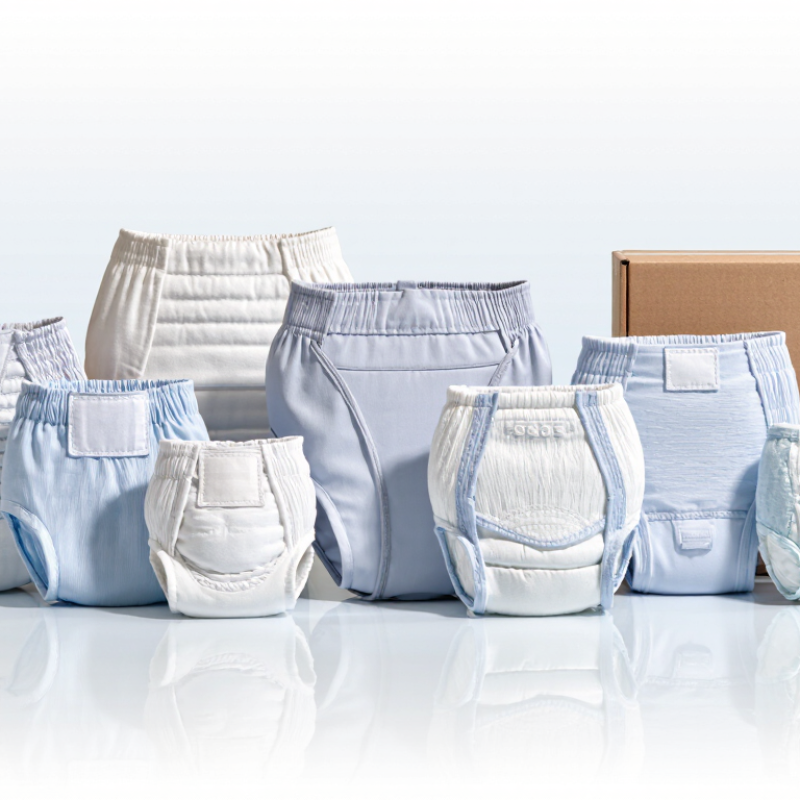
Adult incontinence is a substantial, recurring need, not a niche category. The NIDDK reports that about one in four U.S. women experience urine leakage. That figure changes purchasing priorities. Wholesale buyers need reliable protection, discreet fit, and consistent sizing across daily routines.
Industry forecasts also show strong commercial demand. Grand View Research estimated the global adult diapers market at over 15 billion dollars in 2023, with continued growth expected through 2030. Its analysis highlights aging populations, healthcare awareness, and home-care use as major drivers. The 10 best adult diaper pants for wholesale purchasing should therefore be assessed beyond unit price. Check absorbency testing, leakage protection, skin-friendly materials, waistband recovery, odor control, and package durability. Small details matter. A loose leg opening can ruin an otherwise strong product.
Professional buyers should request samples before committing to large-volume orders. Compare day and overnight performance with realistic movement, sitting, and extended wear. Review product specifications, quality records, and manufacturing consistency. NIDDK also notes that leakage can affect women across different ages and health conditions, so one universal design may be unrealistic. That is worth questioning. Lower-cost pants may create higher returns when sizing or absorbency fails. A practical wholesale shortlist should include several sizes, discreet packaging, clear labeling, and dependable supply capacity. Supplier claims still need verification.
Category-based wholesale comparison for adult pull-on incontinence products. Specifications may vary by manufacturer, market, and product certification.
| Rank | Product Category | Typical Absorbency Level | Best Wholesale Use | Core Construction | Key Buyer Criteria | Fit Range | Primary Market Segment |
|---|---|---|---|---|---|---|---|
| 1 | Premium Overnight Pull-On Pants | Heavy | Extended overnight protection and long periods between changes | High-capacity absorbent core, elastic leg guards, breathable outer layer | Leak protection, skin comfort, odor control, reliable waist fit | Multiple sizes | Home care and senior living |
| 2 | Maximum-Absorbency Pull-On Pants | Heavy | Moderate-to-heavy urinary incontinence programs | Absorbent polymer core, standing leak barriers, stretch side panels | Absorption testing, leakage performance, tear-away sides, case efficiency | Multiple sizes | Healthcare and institutional care |
| 3 | Moderate-Absorbency Everyday Pants | Moderate | Daily use for consumers who need dependable routine protection | Balanced absorbent core, elastic waistband, moisture-wicking top sheet | Comfort, discreet fit, repeat-purchase potential, accessible pricing | Multiple sizes | Retail and e-commerce |
| 4 | Light-Absorbency Protective Underwear | Light | Occasional leakage, light bladder leakage, and first-time users | Slim absorbent zone, underwear-like waistband, soft breathable material | Discreet appearance, low bulk, comfort, retail shelf appeal | Multiple sizes | Pharmacy and retail |
| 5 | Gender-Specific Contoured Pants | Light to Heavy | Buyer programs requiring anatomically differentiated product lines | Contoured absorbent core, targeted fluid distribution, elastic leg openings | Anatomical fit, product segmentation, size availability, user acceptance | Multiple sizes | Specialty healthcare retail |
| 6 | Skin-Friendly Sensitive-Use Pants | Light to Moderate | Users with delicate skin or higher requirements for material comfort | Soft nonwoven top sheet, breathable backsheet, low-friction leg cuffs | Dermatological testing, fragrance-free materials, moisture management | Multiple sizes | Care facilities and home care |
| 7 | Active-Lifestyle Pull-On Pants | Light to Moderate | Mobile users, travel, exercise, and daytime activities | Flexible side panels, close-fitting leg openings, breathable materials | Freedom of movement, discreet profile, noise reduction, easy changing | Multiple sizes | Direct-to-consumer and travel retail |
| 8 | High-Waist Comfort-Fit Pants | Moderate | Consumers prioritizing coverage, stability, and a secure waist fit | Higher-rise waistband, flexible side panels, full-coverage absorbent core | Waist stability, rolling resistance, size consistency, comfort during sitting | Multiple sizes | Senior care and home delivery |
| 9 | Economy Bulk-Pack Pull-On Pants | Light to Moderate | High-volume purchasing and value-focused care programs | Standard absorbent core, elastic waist, simplified packaging | Unit cost, case quantity, supply continuity, packaging efficiency | Multiple sizes | Distributors and institutional buyers |
| 10 | Discreet Packaging Pull-On Pants | Light to Moderate | Online sales, subscription programs, and privacy-sensitive customers | Slim profile, flexible stretch materials, neutral or plain packaging | Packaging privacy, carton durability, fulfillment dimensions, repeat ordering | Multiple sizes | E-commerce and subscription retail |
Wholesale Selection Notes
Source for the demand statement: National Institute of Diabetes and Digestive and Kidney Diseases (NIDDK), Urinary Incontinence .


