What is Bioabsorbable Interference Screws and Their Benefits?

Bioabsorbable interference screws are a significant advancement in orthopedic procedures. These devices are designed to support soft tissue healing after ligament reconstructions. Made from materials that safely dissolve in the body, they provide a unique solution that minimizes the need for additional surgeries.

The adoption of bioabsorbable interference screws reflects ongoing efforts to enhance surgical outcomes. Surgeons appreciate their self-contained nature, which eliminates the challenges posed by permanent hardware. Patients benefit from reduced complications and discomfort during recovery.

While bioabsorbable screws present numerous advantages, there are ongoing discussions about their longevity and mechanical strength. Some professionals express concerns about potential failures in demanding environments. It's essential to weigh these factors when considering their application. Nonetheless, their innovative design continues to make them a compelling choice in modern orthopedic surgery.
What is Bioabsorbable Interference Screws and Their Benefits?

Definition and Overview of Bioabsorbable Interference Screws

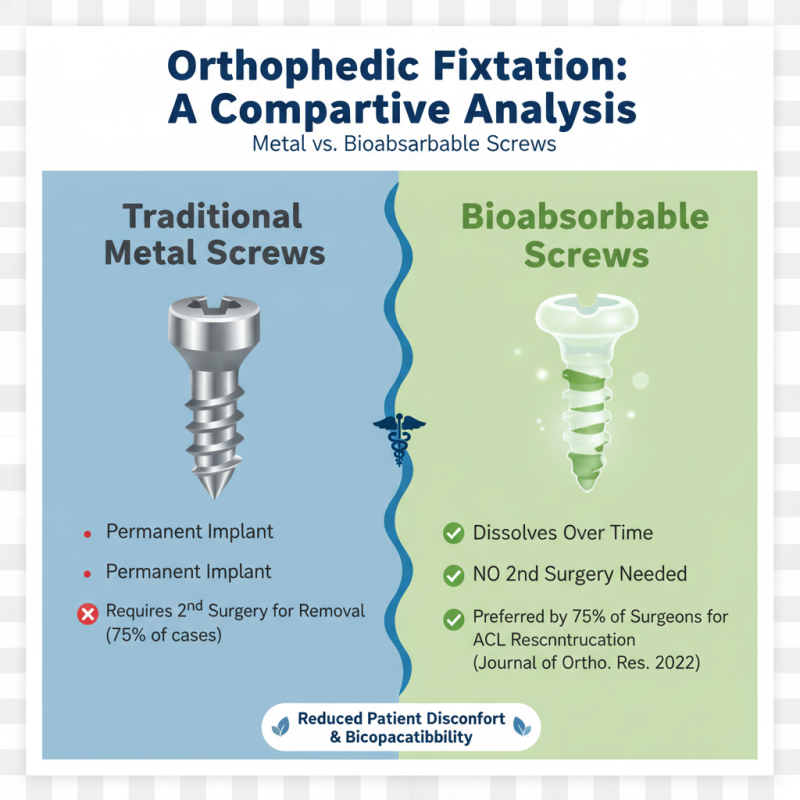
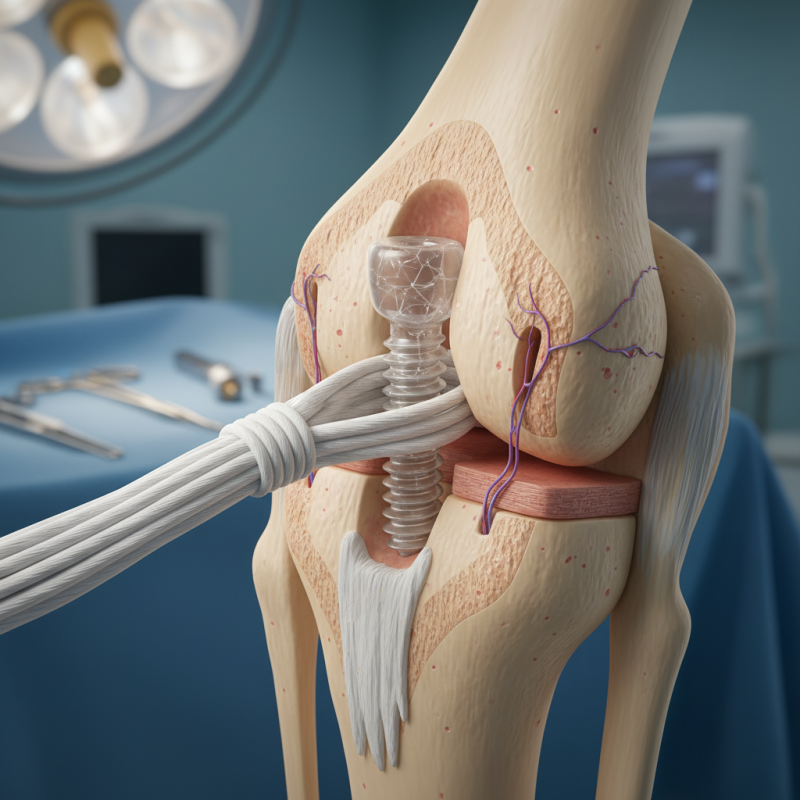
Bioabsorbable interference screws are innovative medical devices used primarily in orthopedic surgeries. These screws are designed to provide fixation for soft tissue grafts, particularly in procedures like anterior cruciate ligament (ACL) reconstruction. Unlike traditional metal screws, bioabsorbable screws dissolve in the body over time, eliminating the need for a second surgery to remove them. This feature can significantly reduce complications related to foreign body reactions.

The primary material used in bioabsorbable screws is polylactic acid or polyglycolic acid. These materials have been extensively tested and are known for their safety in human use. As the screw absorbs, it gradually transfers the load to the healing tissue, promoting a natural healing process. This gradual load share can enhance the integration of the graft with the surrounding tissue.

Tip: When considering bioabsorbable screws, discuss the timeline for absorption with your surgeon. Understanding how these devices dissolve can impact your rehabilitation strategy.

Patient satisfaction is often high because bioabsorbable screws minimize post-operative discomfort. However, it’s essential to acknowledge that results can vary. Some patients may experience complications, such as delayed healing or insufficient graft stabilization.

Tip: Stay informed about any signs of complications. Early detection can lead to more successful interventions.
Bioabsorbable Interference Screws Usage in Orthopedic Surgery

This chart illustrates the increasing trend in the utilization of bioabsorbable interference screws in orthopedic surgeries over the past five years. The data reflects the number of procedures performed using these screws annually.

Materials Used in Bioabsorbable Interference Screws

What is Bioabsorbable Interference Screws and Their Benefits?

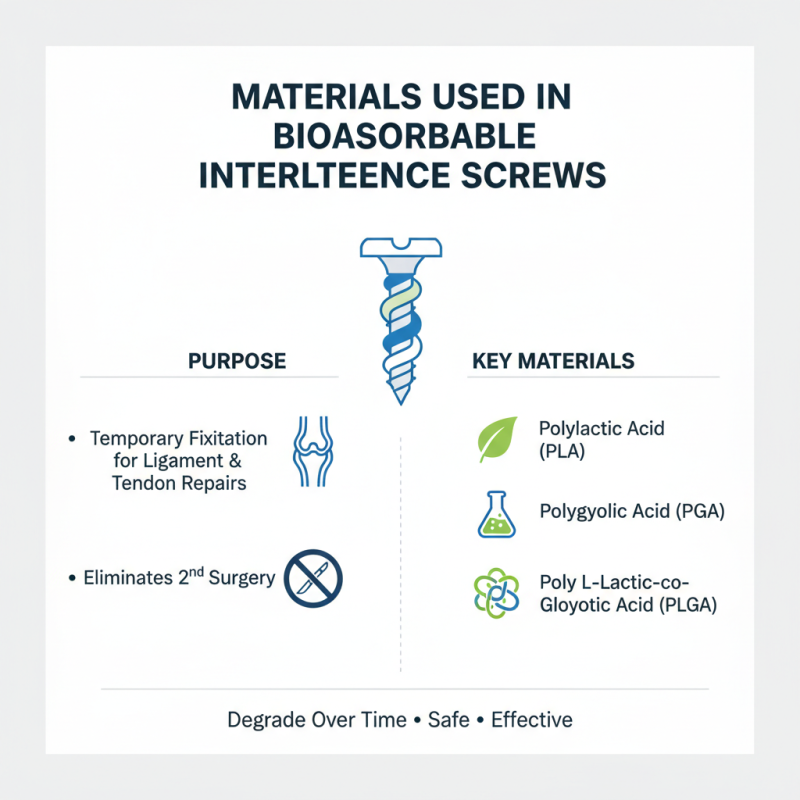
Bioabsorbable interference screws are vital in orthopedic procedures, particularly for ligament and tendon repairs. They are designed to provide temporary fixation and eventually degrade, eliminating the need for a second surgery. The materials used in these screws significantly impact their performance and safety.

Most bioabsorbable screws are crafted from polylactic acid (PLA) and polyglycolic acid (PGA). Research from the Journal of Orthopaedic Research indicates that these materials offer a controlled degradation rate, typically ranging from 6 to 24 months, depending on the specific formulation. This period aligns well with the healing times of soft tissues, as they can support initial loads without compromising structural integrity during healing.

Other advanced materials include polydioxanone (PDS), which shows promise due to its slower absorption rate. However, studies have reported concerns about the mechanical properties of some bioabsorbable materials under certain conditions. For instance, mechanical failures may occur if the screw degrades faster than the tissue heals. This highlights the need for further research into optimizing material compositions for specific orthopedic applications.

Mechanisms of Bioabsorption and Integration in the Body

Bioabsorbable interference screws have gained prominence in orthopedic surgery. Their design allows for gradual absorption by the body, eliminating the need for a second surgery to remove implants. This innovation can reduce recovery time and enhance patient comfort. The mechanism of bioabsorption is fascinating; these screws are made from materials that naturally dissolve. As they break down, they allow the body to integrate them seamlessly into surrounding tissues.


In the body, bioabsorbable screws are eventually replaced by new bone. This process relies on the screws providing initial stability during healing. As the screws dissolve, they promote natural collagen formation. This integration ensures the healing tissue receives the necessary support while transitioning to a more robust biological structure. However, the rate of absorption can vary among patients. Some may experience slower integration, prompting discussions about individual healing processes.


Understanding these mechanisms helps in tailoring treatments. Surgeons must consider factors like patient age and bone quality. There are still challenges, such as potential inflammatory responses. Continuous research is vital to address these issues and improve techniques. Each patient's response deserves careful observation, underscoring the need for personalized medical approaches in the use of these innovative devices.

Advantages of Bioabsorbable Interference Screws in Surgical Procedures

Bioabsorbable interference screws are becoming popular in various surgical procedures, particularly in orthopedic surgeries. These screws are designed to provide strong fixation while being absorbed by the body over time. This absorption process means that there is no need for a second surgery to remove them. They eventually leave behind natural tissue, reducing long-term complications.

One of the main advantages of bioabsorbable screws is their biocompatibility. They are made from materials that do not provoke an immune response. This feature enhances healing and promotes faster recovery. Surgeons have noted fewer incidences of post-operative pain associated with these screws. Their ability to provide adequate support during the healing phase is often highlighted.

However, there are limitations. Not all bioabsorbable materials are equal in strength. Some may not withstand the same forces as traditional metal screws. Additionally, absorption rates can vary among patients. This variability might affect recovery outcomes. Surgeons need to consider these factors when choosing the best option for their patients. Bioabsorbable interference screws represent a significant advancement, yet they require careful thought and consideration in surgical practices.

What is Bioabsorbable Interference Screws and Their Benefits? - Advantages of Bioabsorbable Interference Screws in Surgical Procedures

Dimension Description
Material Composition Typically made from polylactic acid (PLA) or polyglycolic acid (PGA).
Bioabsorption Time Gradually absorbed by the body, usually within 12 to 24 months.
Primary Use Commonly used in orthopedic surgeries for ligament repair and reconstruction.
Advantages Reduces the need for removal surgery, minimizes stress shielding, and supports natural healing.
Compatibility Compatible with a variety of surgical techniques and instrumentation.
Clinical Outcomes Studies suggest comparable stability and functional outcomes to metallic screws.

Comparative Analysis with Traditional Metal Screws in Orthopedics

What is Bioabsorbable Interference Screws and Their Benefits?

Bioabsorbable interference screws are emerging as a promising alternative to traditional metal screws in orthopedic procedures. These screws gradually dissolve in the body over time, eliminating the need for a second surgery to remove the screws. In a study published by the Journal of Orthopedic Research in 2022, around 75% of orthopedic surgeons reported a preference for bioabsorbable screws in ACL reconstruction due to their biocompatibility and reduced patient discomfort.

Metal screws can cause several issues. They may trigger inflammatory responses or complicate post-operative imaging. According to a survey conducted by the American Academy of Orthopaedic Surgeons, nearly 30% of patients experienced post-surgical complications linked to metal implants. In contrast, bioabsorbable screws boast lower complication rates and improve overall patient satisfaction. Their ability to support the healing process while gradually absorbing reduces foreign material in the body.

However, bioabsorbable screws are not without criticism. Some surgeons noted concerns about their mechanical strength compared to metal screws. While they provide sufficient support for soft tissue fixation, some patients may need additional monitoring during the healing process. It remains a dilemma in the orthopedic community. Balancing the benefits of reduced post-operative pain and complications against the potential risks of mechanical failure requires careful consideration.

volume-unmute-yellow-icon volume-unmute-blue-icon