How to Choose the Right Medical and Surgical Lighting Solutions?
Choosing the right Medical And Surgical Lighting solutions is crucial for healthcare facilities. The quality of lighting directly impacts surgical outcomes and patient safety. Medical and surgical lighting must provide adequate brightness and color accuracy, ensuring that surgeons can work with precision. Inadequate lighting can lead to errors, affecting patient care.
It's essential to consider the types of procedures when selecting lighting. Different surgeries may require unique lighting configurations. Some lights need to be adjustable to focus on varying depths. Furthermore, illumination should be free from shadows to enhance visibility. The arrangement and features of medical and surgical lighting play a vital role in operational effectiveness.
Healthcare professionals should prioritize reliable sources for their lighting solutions. The reputation of manufacturers and the technology used in lighting fixtures matter greatly. Each facility may have specific needs, and not every lighting solution fits all. Assessing your environment and consulting with experts can lead to better choices.
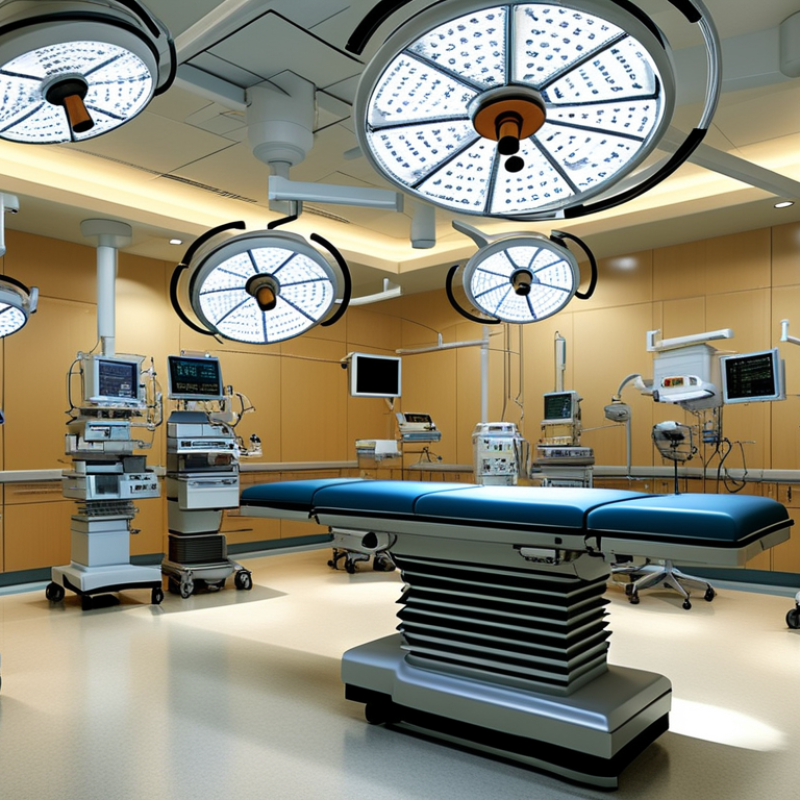
Understanding the Importance of Medical and Surgical Lighting Solutions
Lighting plays a crucial role in medical and surgical settings. Proper illumination enhances the visibility of tissues, improves precision, and contributes to better patient outcomes. According to a report by the World Health Organization, adequate lighting can reduce surgical errors by up to 30%. This statistic underscores the importance of selecting the right lighting solutions.
Different surgical procedures require varied lighting conditions. For example, high-intensity surgical lights are vital for intricate surgeries. Conversely, softer ambient lighting may suffice for general examinations. A study published in the Journal of Surgical Research highlights that 70% of surgeons believe that optimal lighting significantly increases their effectiveness. Their feedback emphasizes how proper lighting can influence surgical performance.
Complications from insufficient lighting can lead to concerns about patient safety. Additionally, lighting should minimize glare and shadows, as these distractions can harm focus. The American College of Surgeons recommends evaluating lighting options regularly. Regular assessments ensure that lighting meets the changing demands of healthcare environments. As healthcare technology evolves, maintaining awareness of lighting advancements is essential for optimal outcomes.
Evaluating Different Types of Medical Lighting Technologies
When evaluating different types of medical lighting technologies, several factors should be considered. A comprehensive report by the Medical Lighting Association highlights the importance of color rendering index (CRI) in surgical lighting. A high CRI, ideally above 90, allows for accurate tissue color representation. This accuracy can significantly affect surgical outcomes. The right lighting not only enhances visibility but also aids in quick decision-making during procedures.
LED technology is increasingly becoming the standard. According to a recent study, LED lights consume 75% less energy than traditional halogen lights. They also have a longer lifespan, reducing maintenance costs and downtime. However, their intensity can sometimes be excessive. Surgeons must be trained to adjust brightness levels effectively. This is crucial as overly bright lights may cause glare, which can hinder meticulous work.
It’s also essential to consider the adaptability of lighting systems. Some hospitals use movable light heads for better positioning. This flexibility allows for optimized lighting, particularly in complex surgeries. Yet, frequent adjustments can lead to inconsistencies if not properly managed. The balance between flexibility and stability in lighting design remains a key point for reflection in the industry.
Evaluation of Different Types of Medical Lighting Technologies
Key Factors to Consider When Choosing Surgical Lighting
Choosing the right surgical lighting is crucial for successful procedures. Several key factors require careful consideration. Brightness levels are essential. Ensure the lighting provides adequate illumination without overwhelming glare. This helps surgeons see details clearly, especially in intricate surgeries.
Color rendering is another significant factor. High-quality lighting should accurately represent true colors. This is vital for tissue differentiation. It helps healthcare professionals make informed decisions during operations.
Flexibility is important too. Adjustable lighting can suit different surgical environments. Consider the layout of the operating room. Lighting should be easily positioned for various positions and angles. Reflect on energy efficiency as well. The right solution can reduce operational costs in the long run.
Assessing the Specific Lighting Needs of Various Medical Environments
When assessing the specific lighting needs of various medical environments, one must consider different settings. Surgical rooms require highly focused lighting. Surgical teams rely on precision during operations. Overhead surgical lights must provide even illumination without shadows. This allows for clear visibility of the surgical field. The color temperature is equally important. It can affect how tissues appear during procedures.
In outpatient clinics, ambient lighting plays a crucial role. Soft, diffused light creates a calm atmosphere. Patients often experience anxiety; lighting can help ease their nerves. Adjustability in light levels is beneficial. It accommodates various activities, from examinations to consultations. Understandably, there's no one-size-fits-all solution. Each environment has unique demands.
In contrast, emergency rooms and intensive care units require bright and adaptable lighting. Quick adjustments may be necessary during critical situations. The urgency might lead to oversight. Thus, training staff on optimal lighting use is vital. Reflecting on how lighting influences patient outcomes can enhance care. Each decision impacts both staff efficiency and patient comfort.
Budgeting and Cost-Effectiveness of Medical Lighting Solutions
When budgeting for medical and surgical lighting solutions, cost-effectiveness is crucial. Industry reports indicate that healthcare facilities spend approximately 15% of their capital budgets on lighting systems. Choosing the right lighting can significantly impact operating costs. Energy-efficient systems can reduce electricity consumption by up to 50%. This not only lowers monthly bills but also contributes to sustainability goals.
Moreover, the lifespan of lighting solutions matters. LED lights, for example, can last up to 25,000 hours, compared to traditional options that may last only 1,500 hours. This longevity means fewer replacements and lower maintenance costs. However, the initial investment for advanced lighting systems may be higher, which can be a barrier for some facilities. Evaluating long-term savings against upfront costs is essential.
In addition, it is vital to consider the specific requirements of different surgical environments. Illumination quality affects surgical precision and patient outcomes. A poorly lit environment can lead to mistakes, resulting in additional costs and liability issues. Assessing the balance between budget and quality is an ongoing challenge, yet it is necessary for optimal patient care. Investing in better lighting now may lead to greater savings and improved safety in the long term.








