Why is Knee and Hip Motion Restoration Essential for Your Mobility?
Knee and hip motion restoration is vital for maintaining mobility and overall quality of life. According to the World Health Organization, musculoskeletal disorders significantly affect mobility in over 1.7 billion people globally. As we age, the importance of joint function grows. Restored knee and hip motion can significantly reduce discomfort and improve daily activities.
Research shows that approximately 30% of older adults experience limitations in mobility due to joint problems. This highlights the need for effective restoration strategies. Techniques such as physical therapy and minimally invasive surgeries have proven effective. A study published in the Journal of Orthopedic Research indicates that patients experience a 50% improvement in mobility post-restoration interventions.
Yet, the journey to restore knee and hip motion is often fraught with challenges. Many individuals struggle with adherence to rehabilitation protocols. This can delay recovery and lead to frustration. Raising awareness about the importance of joint function is essential. As joint health affects various aspects of life, reclaiming mobility should be a priority for everyone.

The Importance of Knee and Hip Mobility for Daily Activities
Knee and hip mobility plays a crucial role in our daily activities. These joints are essential for movement, from walking to climbing stairs. When knee and hip motion are limited, simple tasks become challenging. You may struggle to bend down to tie your shoes or get in and out of a car easily.
Maintaining mobility is not just about physical fitness. It directly influences independence and quality of life. Imagine trying to play with your children or grandchildren. If your knees and hips are stiff, these moments slip away. Flexibility allows you to respond to life’s demands actively. It can enhance your ability to perform household chores, run errands, and participate in social gatherings.
Yet, many overlook the importance of maintaining these joints. Often, we assume our bodies will keep functioning, regardless of neglect. Fear of pain might stop you from exercising. This mindset can worsen the situation over time. Acknowledging the need for movement is the first step to recovery. Whether through stretching, walking, or engaging in physical therapy, restoring knee and hip motion is vital. Prioritizing joint health will lead to a more mobile and fulfilling daily life.
Understanding the Mechanics of Knee and Hip Joints
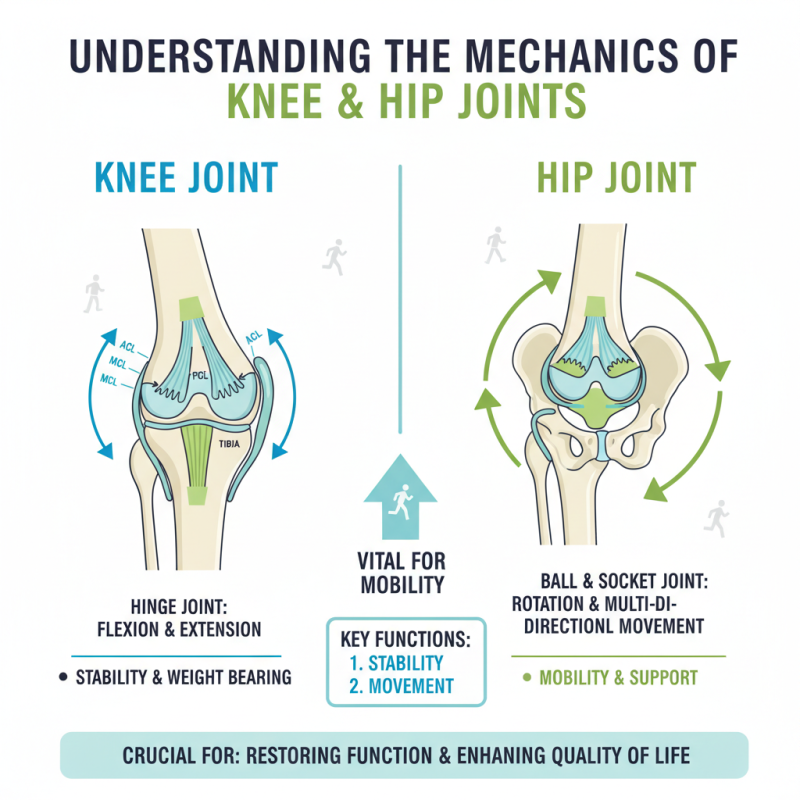
Knee and hip joints are vital for mobility. They provide stability and facilitate movement. Understanding their mechanics is crucial for restoring function and enhancing quality of life.
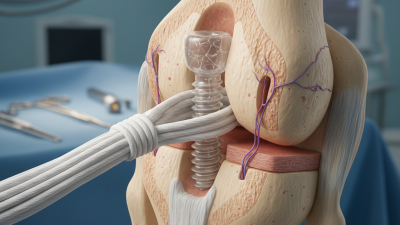
These joints consist of bones, cartilage, and ligaments. They work together to allow for bending, straightening, and rotation. When injured, the mechanics can become compromised, leading to pain and reduced mobility. Small movements may become challenging. Regular exercise can help maintain joint function. Incorporating strength training and flexibility exercises is beneficial.
Tips: Focus on low-impact activities like swimming or cycling. These reduce stress on the joints while improving strength and flexibility. Listen to your body. Pain is a signal that something may be wrong. Consult a healthcare professional for tailored advice.
Maintaining joint health requires a holistic approach. Nutrition plays a role too. Consuming anti-inflammatory foods can support joint function. Evaluate your daily habits. Small changes contribute to long-term benefits. Everyone’s body reacts differently, and what works for one may not work for another.
Common Conditions Affecting Knee and Hip Motion
Knee and hip motion is vital for daily activities. Many people struggle with pain or limited movement in these joints. Various conditions can cause these issues. Arthritis is one of them. It leads to inflammation and stiffness in the joints. As a result, walking and climbing stairs becomes challenging.
Another common condition is bursitis. It occurs when the bursae, small fluid-filled sacs, become inflamed. This can cause pain during movement, especially when standing up or sitting down. Muscle strains or tears also affect mobility. Weakness in surrounding muscles may lead to instability. This can result in further injuries and ongoing pain.
Even when experiencing these problems, it's important to seek treatment. Physical therapy can enhance strength and flexibility. Surgical options may be necessary for severe cases. Understanding the conditions that hinder motion is crucial. This awareness leads to better management and improved quality of life. Embracing simple exercises and making lifestyle adjustments can promote healing. Each small step contributes to overall mobility.
Techniques for Restoring Knee and Hip Function
Restoring knee and hip function is key for enhancing mobility. According to the American Academy of Orthopaedic Surgeons, nearly 25% of adults experience knee pain. This affects their daily activities significantly. Techniques to improve knee and hip motion include stretching, strengthening, and physical therapy.
Stretching exercises, like hamstring and quadriceps stretches, can lead to better flexibility. Research has shown that consistent stretching improves range of motion by up to 40%. Strengthening exercises, such as squats and leg lifts, also play a vital role. They build muscle around the joint, offering better support and stability.
Physical therapy is often recommended. A report from the National Institutes of Health indicates that 70% of patients show improvement with targeted therapy plans. However, many people overlook this aspect and may not seek timely help. Without proper rehabilitation, joint stiffness can worsen over time. It’s crucial to address these issues early on. The right combination of exercises can lead to profound changes in everyday mobility.
Why is Knee and Hip Motion Restoration Essential for Your Mobility?
The Impact of Improved Mobility on Quality of Life
Knee and hip motion are crucial for daily activities. Improved mobility can significantly enhance one’s quality of life. Research shows that individuals who maintain mobility can often perform daily tasks more easily and engage in social activities. The CDC reports that approximately 30% of adults over 65 experience mobility impairments. This statistic highlights the widespread nature of limited mobility.
Improving joint function leads to better overall health. According to a study published in the Journal of Physical Activity and Health, people who exercise regularly, especially those with joint issues, saw a 25% increase in their mobility scores. Better mobility not only boosts physical health but also contributes to mental well-being. A physically active lifestyle fosters social interactions, reducing feelings of loneliness.
Tips: Focus on low-impact exercises to ease joint pain. Activities like swimming or cycling can promote joint health without excessive strain. Incorporating stretching routines can further enhance flexibility. Regular check-ups with healthcare providers can help monitor joint health and adapt activities accordingly. Each individual’s journey will vary, making it essential to listen to one’s body and adjust activities as needed.
Why is Knee and Hip Motion Restoration Essential for Your Mobility? - The Impact of Improved Mobility on Quality of Life
| Mobility Factor |
Impact on Quality of Life (%) |
Common Conditions |
Improvement Strategies |
| Knee Flexibility |
75% |
Osteoarthritis, Bursitis |
Stretching, Physical Therapy |
| Hip Strength |
80% |
Hip Impingement, Tendinitis |
Resistance Training |
| Joint Stability |
70% |
Knee Instability, Hip Dysplasia |
Balance Exercises, Core Strengthening |
| Range of Motion |
85% |
Post-Surgery, Inflammation |
Yoga, Stretching Routines |
| Pain Management |
90% |
Chronic Pain Conditions |
Medication, Alternative Therapies |