How to Ensure Tibial Implant Rotational Stability in Knee Surgery?
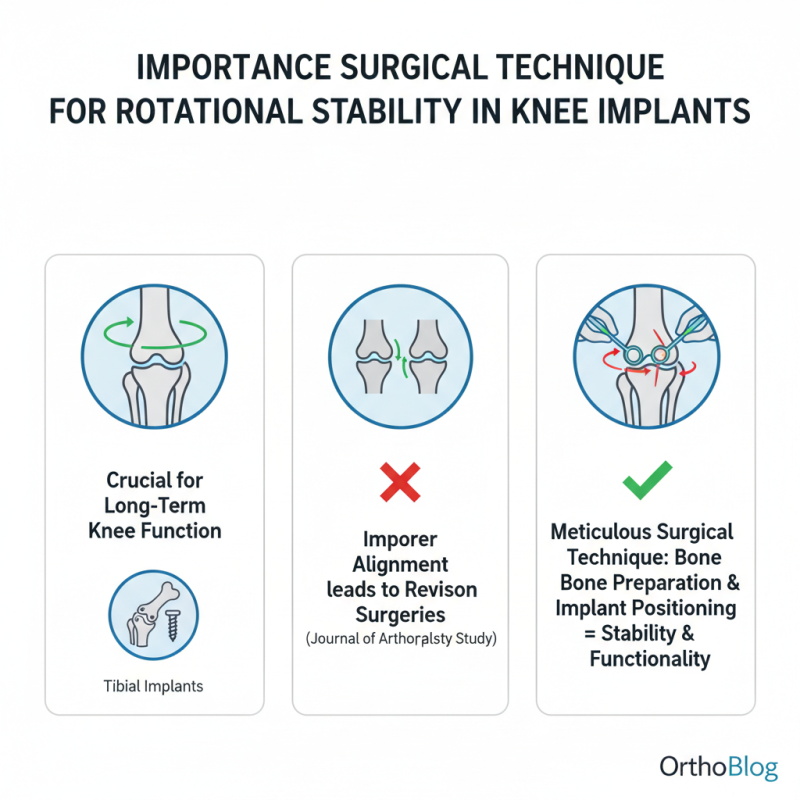
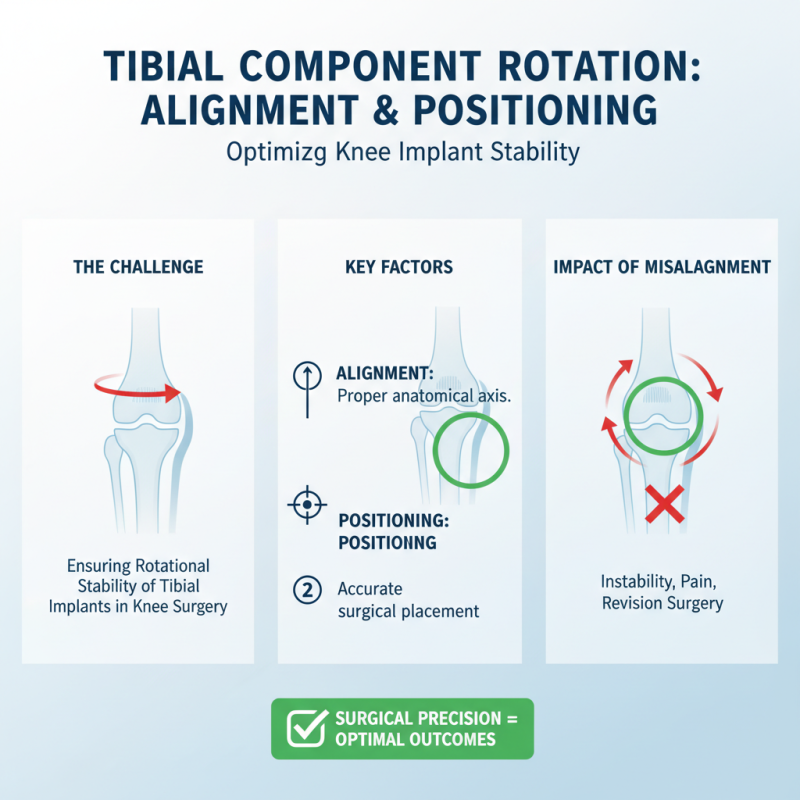
Tibial implant rotational stability is crucial in knee surgeries. The proper alignment and fixation of the tibial component can determine the longevity of a knee implant. Surgeons often face challenges in achieving optimal rotation, impacting the patient's overall functionality post-surgery.
Various factors influence tibial implant rotational stability. These include surgical techniques, implant design, and patient anatomy. Experience plays a vital role in addressing these complexities. Surgeons must be aware of the nuances that impact stability. They need to consider specific patient factors, such as bone density and knee mechanics. Insufficient attention to these details may lead to complications.
Understanding the biomechanical principles behind tibial implant rotational stability is essential. Innovations in implant design provide options for improved stability. However, no single solution fits all cases. Surgeons must remain adaptable and critical in their approach. Continuous evaluation and learning from each procedure can enhance skills and outcomes.
Factors Influencing Rotational Stability of Tibial Implants in Knee Surgery
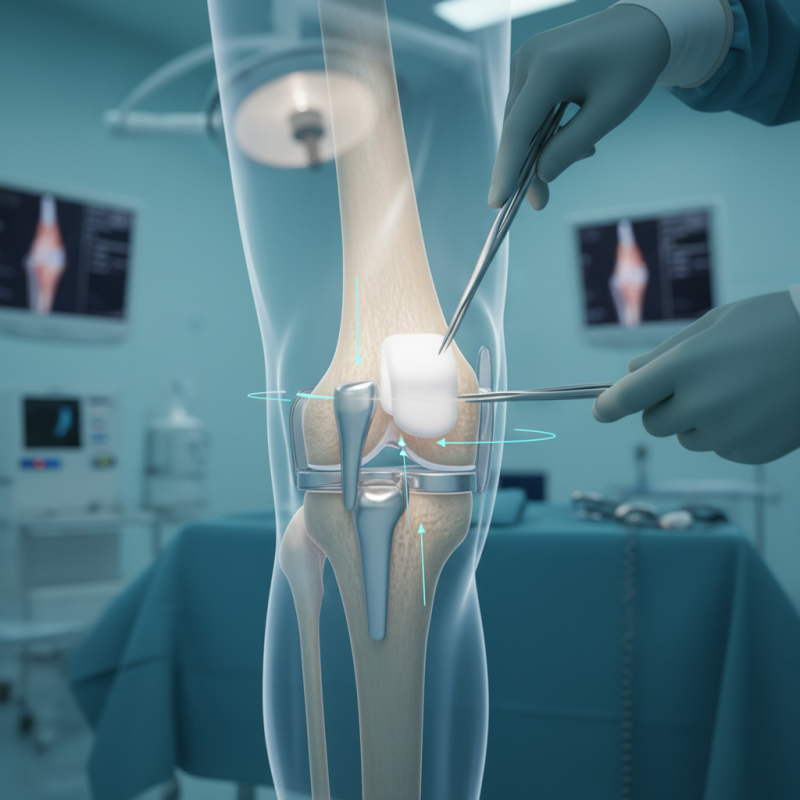
Ensuring the rotational stability of tibial implants during knee surgery is crucial for patient outcomes. Several factors influence this stability. Proper alignment and positioning of the implant play a significant role. An accurate anatomical fit minimizes rotational forces during movement.
The quality of bone stock can also affect stability. Deteriorated or insufficient bone can lead to compromised implant fixation. Surgeons must assess bone integrity before deciding on the type of implant and fixation technique. Techniques such as using supplemental fixation devices may enhance stability, yet they require careful planning.
Surgeon technique and experience matter too. Ensuring proper surgical techniques, including soft tissue balance, can impact the longevity of the implant. A well-balanced knee reduces stress on the implant. Regularly revisiting and analyzing surgical outcomes fosters continuous improvement. Each case offers insights that can refine future procedures.
Material Properties and Their Role in Tibial Implant Stability
The stability of tibial implants in knee surgery hinges significantly on material properties. A recent study highlighted that the mechanical strength and wear resistance of materials used can directly influence implant longevity. For instance, titanium alloys exhibit remarkable fatigue resistance, with reported endurance limits up to 900 MPa in some applications. This strength is essential in minimizing micro-movement during the healing process, thus reducing the risk of failure.
In addition to strength, the surface roughness of tibial implants plays a critical role in stability. Profiles that provide optimal friction can enhance initial fixation. Research indicates that surfaces with a roughness average of 1-2 micrometers show an increased ability for osseointegration. However, achieving the right balance between roughness and smoothness is challenging. Excessively rough surfaces can lead to stress risers, making the implant more susceptible to cracking.
Material fatigue is another element to consider. Implants endure continuous cyclic loading, which can lead to gradual material degradation. Studies have noted that specific polymers used in spacers may lose approximately 10-30% of their initial mechanical properties over time. Addressing these factors is essential for improving implant design and ensuring a more stable outcome for patients. Continuous research needs to address these material limitations for future advancements.
How to Ensure Tibial Implant Rotational Stability in Knee Surgery? - Material Properties and Their Role in Tibial Implant Stability
| Material Type |
Elastic Modulus (GPa) |
Yield Strength (MPa) |
Ultimate Tensile Strength (MPa) |
Fatigue Limit (MPa) |
Coefficient of Friction |
| Titanium Alloy |
110 |
800 |
950 |
400 |
0.25 |
| Cobalt-Chromium Alloy |
210 |
620 |
800 |
350 |
0.35 |
| High-Density Polyethylene (HDPE) |
1 |
20 |
30 |
12 |
0.2 |
Post-Operative Rehabilitation Strategies to Maintain Implant Stability
Post-operative rehabilitation is crucial for maintaining tibial implant stability in knee surgery. Engaging in structured physical therapy is essential. Customized exercise plans can significantly enhance recovery. These routines should focus on strength, flexibility, and range of motion. Simple exercises like quadriceps strengthening can be highly effective. They help stabilize the knee joint and prevent implant loosening.
Weight-bearing activities are another vital aspect. Slowly increasing activity levels promotes bone healing. Patients should carefully monitor their pain levels during these exercises. This can guide them in adjusting their rehabilitation regime. Engaging in low-impact activities, such as swimming or cycling, can also be beneficial. Yet, a focus on proper form is necessary to avoid injury.
Education is key in post-operative recovery. Patients must understand the importance of adhering to their rehabilitation plan. They should also recognize early signs of instability, such as unusual pain or swelling. Regular follow-ups with healthcare providers can pinpoint any issues quickly. This proactive approach helps maintain long-term implant stability. It's essential to reflect on their progress and adapt strategies as needed.