What Are the Top 10 Shoulder Rotator Cuff Repair Options?

Shoulder rotator cuff repair is not one operation, but a decision shaped by tear size, tissue quality, age, activity, pain, and functional goals. The American Academy of Orthopaedic Surgeons reports that nearly two million people in the United States seek medical care for rotator cuff problems each year. That figure shows the scale of the problem, but it does not identify the best procedure for one individual. A weekend tennis player and a construction worker may need very different strategies.

This guide examines ten commonly discussed options, including arthroscopic single-row repair, double-row repair, transosseous-equivalent techniques, mini-open repair, open repair, patch augmentation, superior capsular reconstruction, tendon transfer, and reverse shoulder arthroplasty. Some options repair the tendon directly. Others manage irreparable tears when normal repair is unlikely to succeed. The AAOS Clinical Practice Guideline on Management of Rotator Cuff Injuries emphasizes shared decision-making, imaging findings, patient expectations, and rehabilitation planning. Surgery is only one part of recovery.

The details matter. A surgeon may study MRI images, inspect tendon retraction, and assess fatty muscle degeneration before recommending anchors or graft material. Rehabilitation can involve weeks in a sling, followed by carefully limited motion and later strengthening. Evidence is not equally strong for every technique. Marketing language can also blur important differences. This ranking is therefore a practical starting point, not a universal prescription. Even experienced surgeons can disagree. That uncertainty deserves honest discussion.

What Are the Top 10 Shoulder Rotator Cuff Repair Options?

Understanding Rotator Cuff Tears and Their Repair Goals

A rotator cuff tear is not a single problem. It may be partial or full-thickness, sudden or gradually developed. Pain, weakness, night discomfort, and limited lifting often reveal its impact. Clinicians also consider tear size, tendon quality, muscle wasting, age, work demands, and shoulder stability. A small tear may improve with activity changes, guided physiotherapy, pain medicine, or an injection. Larger or persistent tears may require arthroscopic repair, mini-open repair, open repair, debridement, tendon transfer, graft augmentation, or shoulder replacement. These are ten broad repair-related options, but they are not interchangeable.

The repair goal is more important than the procedure’s name. Surgeons aim to reduce pain, restore useful strength, and reconnect healthy tendon to bone when possible. Healing takes time, often several months, and rehabilitation protects the repair. A scan can look dramatic while symptoms remain manageable. The opposite can happen too. This is where decision-making becomes less tidy. A technically successful repair may not restore every movement, especially when muscle quality has declined. A second clinical opinion can clarify uncertain choices.

Tips: Ask whether the tear is partial or complete. Ask how tendon quality affects healing. Request a clear rehabilitation timeline. Discuss non-surgical care before choosing surgery. Keep the shoulder moving only within professional limits. Sudden overhead lifting can disrupt recovery. Report increasing redness, fever, unusual swelling, or worsening weakness promptly. 񟿿
How Doctors Determine the Most Suitable Treatment Option

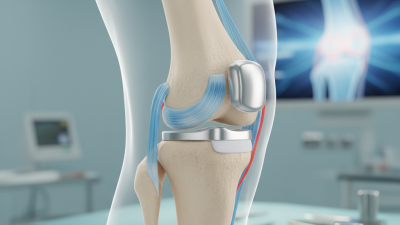
Doctors do not choose a rotator cuff repair option from an MRI alone. They combine the scan with your symptoms, strength, movement, age, work demands, and general health. A small, recent tear may respond to rest, guided physiotherapy, and activity changes. Persistent weakness or a larger tear may lead to arthroscopic, mini-open, or open repair. Surgeons may also consider single-row or double-row fixation, depending on tendon quality and tear pattern.

Other options include debridement, partial repair, graft augmentation, tendon transfer, or reverse shoulder replacement. These choices usually depend on whether the tendon can reach its attachment site. Chronic tears may shrink or develop fatty changes, making direct repair less reliable. Arthritis, bone shape, smoking history, diabetes, and previous surgery can also change the plan. A careful doctor checks these details before recommending surgery.

Pain levels can mislead. Some people have dramatic imaging but mild symptoms, while others struggle with a smaller tear. That mismatch deserves discussion. Doctors should explain expected healing time, rehabilitation demands, possible complications, and the chance of needing another procedure. No decision tool is perfect. I would question any recommendation made without a physical examination or a clear explanation of alternatives. A second opinion may be sensible when the diagnosis, treatment goal, or recovery plan remains uncertain.

What Are the Top 10 Shoulder Rotator Cuff Repair Options?

Typical rehabilitation timelines vary according to tear size, tendon quality, surgical technique, patient health, and the presence of additional shoulder problems. The ranges below are general clinical estimates, not individualized medical advice.

Doctors usually compare imaging findings, tear reparability, symptoms, activity goals, and response to nonoperative care before selecting an option. Rehabilitation after a tendon repair is generally longer than after debridement or nonsurgical treatment.

Nonsurgical Approaches for Managing Rotator Cuff Injuries

What Are the Top 10 Shoulder Rotator Cuff Repair Options?

Nonsurgical care often manages rotator cuff injuries without immediate surgery. A clinician should confirm the diagnosis through a physical examination and, when needed, imaging. Important options include activity modification, supervised physiotherapy, home exercises, ice, heat, posture correction, ergonomic changes, pain-relieving medicine, anti-inflammatory medicine, and carefully selected injections. These approaches target pain, movement, strength, and daily function.

Physical therapy usually develops gradually. Early sessions may use gentle range-of-motion exercises, such as sliding the hand up a wall. Later work can strengthen the shoulder blade and rotator cuff muscles. A patient may also adjust lifting habits and avoid repeated overhead movements. Ice can calm soreness after activity, while heat may help stiffness before exercise. Medication requires professional guidance, especially with stomach, kidney, heart, or blood pressure concerns.

Injections may provide temporary relief, but they do not repair every tendon. Evidence for some injection types remains mixed. That matters. Pain relief can encourage movement, yet it may also hide harmful overuse. Rest alone rarely restores lasting strength. A practical plan usually combines education, measured exercise, and regular review. Worsening weakness, a sudden injury, numbness, or severe night pain deserves prompt medical assessment. No plan is perfect. Recovery can be slower than expected.

What Are the Top 10 Shoulder Rotator Cuff Repair Options? — Nonsurgical Approaches for Managing Rotator Cuff Injuries

Treatment selection depends on tear size, symptoms, strength, activity goals, age, medical history, and examination findings.
No. Nonsurgical Option What It Involves Typical Role and Benefit Evidence Profile Important Considerations
1 Structured Physical Therapy A progressive program addressing pain-free range of motion, scapular control, rotator cuff endurance, posture, and functional strength. Usually the foundation of conservative care. It can improve pain, movement, and shoulder function over several weeks to months. Strongest support among nonsurgical treatments for many atraumatic or degenerative injuries. Exercises should be individualized. Overly painful or aggressive loading may aggravate symptoms.
2 Home Exercise Program Regular mobility and strengthening exercises performed at home, often after instruction from a clinician or physical therapist. Supports long-term gains and may maintain progress between supervised visits. Good support when adherence and exercise technique are appropriate. Consistency matters. Stop or modify exercises that cause sharp pain, marked weakness, or worsening symptoms.
3 Activity Modification Temporarily reducing painful overhead lifting, repetitive reaching, heavy pushing or pulling, and positions that reproduce symptoms. Can reduce irritation while preserving comfortable daily movement and allowing rehabilitation to continue. Standard first step, especially during painful flare-ups. Complete immobilization is generally avoided because prolonged inactivity can cause stiffness and weakness.
4 Patient Education and Monitoring Understanding the injury, expected recovery, load management, sleep positioning, warning signs, and when reassessment is needed. Improves self-management and helps set realistic expectations; some symptoms improve gradually over months. Essential component of conservative care, although it is not a stand-alone repair. New trauma, sudden loss of strength, deformity, fever, or persistent night pain warrants medical assessment.
5 Nonsteroidal Anti-Inflammatory Drugs Short-term use of an oral or topical anti-inflammatory medicine to reduce pain and, where applicable, inflammation. May make sleep, daily activity, and participation in therapy easier. Moderate short-term symptom support; it does not repair a torn tendon. Use only if medically appropriate. Risks include stomach bleeding, kidney problems, fluid retention, and cardiovascular effects.
6 Acetaminophen-Based Pain Relief A pain-relief option that does not provide the same anti-inflammatory action as nonsteroidal medicines. May help people who cannot take anti-inflammatory medicines or need limited pain control. Symptom relief only; benefit varies and is not a tendon-healing treatment. Do not exceed the recommended daily amount. Extra caution is required with liver disease or regular alcohol use.
7 Ice or Heat Therapy Short applications of cold after activity or heat before gentle movement, selected according to individual response. May temporarily reduce pain or stiffness and improve comfort before exercise. Adjunctive support; it does not restore a torn tendon. Protect the skin and avoid excessive duration or direct contact with extreme temperatures.
8 Corticosteroid Injection A clinician-administered injection into the subacromial space or shoulder joint to reduce inflammation-related pain. Can provide short-term pain relief that may facilitate sleep and physical therapy. Short-term benefit; long-term functional improvement is less consistent. Repeated injections may affect tendon quality. Discuss diabetes, infection risk, and any possible future surgery with a clinician.
9 Platelet-Rich Plasma Injection An injection prepared from the patient’s blood with a concentrated platelet component, administered by a qualified clinician. May be considered for selected chronic tendinopathy or partial-thickness injuries when standard care has not provided enough relief. Mixed and evolving evidence; results differ by preparation, diagnosis, and study. It is not proven to reliably heal full-thickness tears. Cost, post-injection soreness, and lack of standardized protocols should be considered.
10 Manual Therapy and Movement Retraining Clinician-guided joint or soft-tissue techniques combined with posture, scapular mechanics, and movement-pattern training. May temporarily improve mobility and comfort and can complement strengthening exercises. Best used as an adjunct; exercise generally remains the active core of rehabilitation. Benefits may be temporary if exercises and activity changes are not continued. Avoid forceful techniques when there is acute injury or significant weakness.
Clinical note: Nonsurgical care can reduce pain and improve function, but it does not physically reattach a completely torn tendon. A medical evaluation is especially important after a traumatic injury, sudden weakness, visible deformity, or failure to improve with an appropriate rehabilitation program.

Surgical Repair Choices, From Arthroscopy to Tendon Transfer

What Are the Top 10 Shoulder Rotator Cuff Repair Options?

Surgical Repair Choices, From Arthroscopy to Tendon Transfer

Rotator cuff surgery is not one fixed procedure. The tear’s size, tendon quality, muscle wasting, age, activity level, and shoulder stability shape the decision. Common options include arthroscopic debridement, partial repair, single-row repair, double-row repair, margin convergence, mini-open repair, open repair, patch augmentation, superior capsular reconstruction, and tendon transfer.

Arthroscopy uses small portals and a camera, often reducing soft-tissue irritation. A single-row repair places anchors along one tendon edge. A double-row repair covers more of the footprint, but it may not suit every tear. Margin convergence brings separated tendon edges together. Mini-open and open repairs can help with large, retracted tears or difficult tissue. They usually require more surgical exposure.

Patch augmentation may support weak tendon tissue, although healing benefits can vary. Superior capsular reconstruction can restore stability when a tear cannot be repaired directly. Tendon transfer uses a nearby working muscle to replace lost cuff function. It is a major decision. Results depend heavily on rehabilitation and patient selection.

There is no universal “best” option. That is the uncomfortable part. Imaging can underestimate tissue weakness, and pain does not always match tear size. An experienced shoulder specialist should compare examination findings, scans, work demands, and realistic recovery goals before recommending surgery. Recovery can involve weeks of protection, followed by gradual motion and strengthening. Never rush that phase.

Recovery, Risks, and Expected Outcomes After Treatment

What Are the Top 10 Shoulder Rotator Cuff Repair Options?

Recovery depends on the tear, tissue quality, age, activity level, and treatment selected. Common options include arthroscopic repair, open repair, mini-open repair, partial repair, debridement, tendon transfer, graft augmentation, superior capsular reconstruction, reverse shoulder replacement, and non-surgical rehabilitation.

After repair, the arm often rests in a sling for four to six weeks. Early therapy usually protects the tendon rather than building strength. Gentle motion may begin first, followed by active movement and resistance exercises. Many patients regain useful function within four to six months, although full recovery can take a year. Progress is rarely perfectly linear.

Pain may increase temporarily after therapy. That does not always indicate failure. However, sudden weakness, fever, drainage, calf pain, or worsening swelling needs prompt medical assessment. Risks include infection, stiffness, nerve irritation, blood clots, and recurrent tearing. Smoking, uncontrolled diabetes, poor tissue quality, and returning to heavy lifting too soon may increase complications.

Outcomes vary widely. Smaller tears often heal more reliably than large, retracted tears. A tendon can appear healed on imaging while strength remains limited. That part is easy to underestimate. Patients should discuss realistic movement goals, imaging findings, rehabilitation demands, and backup options with a qualified shoulder specialist. A second opinion can be sensible when surgery is recommended for an uncertain diagnosis.

volume-unmute-yellow-icon volume-unmute-blue-icon