Top 10 Endoscopic Instruments You Need for Your Next Surgery?
In the rapidly advancing field of surgery, Endoscopic Instruments play a crucial role. They are vital for minimally invasive procedures. These instruments enhance precision, reduce recovery time, and improve patient outcomes. Surgeons often rely on specific tools to ensure success. However, selecting the right endoscopic instrument remains challenging.
Each surgeon brings unique experience and insights into their toolkit. Some instruments may seem complex but become essential with practice. It’s not uncommon for new surgeons to struggle with familiarity and comfort. Mastery takes time, reflection, and sometimes, failure. The importance of these instruments cannot be overstated. They include a variety of tools tailored for different surgical needs.
Knowing which endoscopic instrument to use can affect the outcomes significantly. Inadequate knowledge may lead to mistakes that could compromise patient safety. This ongoing learning process is critical for maintaining high standards in surgery. As technology evolves, staying updated with the latest instruments is essential for all surgical professionals.
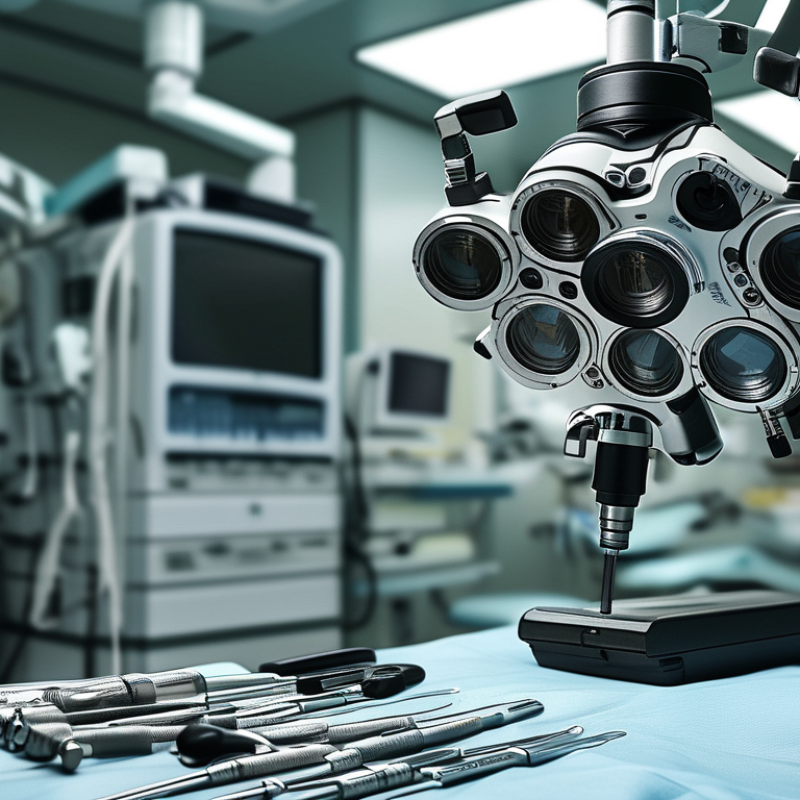
The Importance of Choosing the Right Endoscopic Instruments in Surgery
Choosing the right endoscopic instruments is vital in surgical procedures. Each tool serves a specific purpose and can significantly impact the outcome. Surgeons must rely on precise instruments to reduce risks and ensure patient safety. The proper selection enhances visualization and access. This leads to smoother operations and faster recovery times.
However, the process is not always straightforward. Surgeons might face challenges in navigating the vast array of instruments available. Different procedures require different tools, and the learning curve can be steep. Occasionally, even experienced professionals might overlook the latest innovations. This could result in less effective surgeries or increased complications.
Maintaining a strong understanding of surgical instruments is crucial. Continuous education and hands-on training keep skills sharp. Regular discussions among surgical teams can reveal insights on instrument performance. Ultimately, the goal is to create better surgical experiences for patients. Instruments are not just tools; they are essential components of successful outcomes.
Top 10 Endoscopic Instruments You Need for Your Next Surgery
| Instrument Name | Description | Usage | Material |
| Endoscope | Flexible tube with a camera | Visualization of internal structures | Fiber optics and plastic |
| Biopsy Forceps | Tool for obtaining tissue samples | Biopsy procedures | Stainless steel |
| Scissors | For cutting tissues | Tissue dissection | Stainless steel |
| Grasper | Used for holding tissue | Tissue manipulation | Plastic and stainless steel |
| Electrosurgical Generator | For cutting and coagulating tissue | Hemostasis | Electrical components |
| Suction Device | For removing fluid | Clear surgical field | Plastic and metal |
| Laparoscope | Long, slender endoscope for abdomen | Minimally invasive surgery | Stainless steel |
| Light Cable | Transmits light to the endoscope | Adequate illumination | Fiber optics |
| Trocars | Used to create access points | Access into body cavities | Metal |
| Spreader | Holds tissues apart | Improves access and visibility | Stainless steel |
Top Surgical Endoscopes: Features and Specifications to Consider
When selecting surgical endoscopes, several features and specifications stand out. Image quality is critical. High-definition cameras significantly improve visualization, allowing surgeons to spot minute details. According to recent industry reports, over 70% of surgeons cite image clarity as a top priority. Response time and the ease of maneuverability also matter. Instruments that are lightweight and flexible can reduce fatigue during extended procedures.
Consider the size of the diameter too. Smaller scopes, typically around 5mm, minimize tissue trauma. This is a critical aspect for patient recovery. However, there may be limitations in the field of view with narrower instruments. It’s always essential to balance size and capability.
Tips: Always test the ergonometric design of the instruments before surgeries. This can prevent strain and enhance precision. Regularly review equipment performance data for the best results. Training is vital. Familiarity with a new device can save time and reduce complications. Seek feedback from colleagues on their experiences with different endoscopes. Exploring both positive and negative aspects of devices can lead to better choices.
Essential Accessories for Endoscopic Procedures: A Comprehensive Guide
Endoscopic procedures have revolutionized surgery, minimizing invasiveness and recovery time. Essential accessories play a pivotal role in these procedures. According to the Global Endoscopic Instrument Market report, the industry is expected to grow by 6.7% annually. This growth highlights the increasing reliance on these instruments and their accessories.
Key accessories include endoscopic cameras, which capture high-definition images. High-quality visualization is crucial for accurate diagnostics. The report indicates that surgical precision is enhanced with the right imaging tools. Other key items are graspers and scissors, which allow for effective tissue manipulation during procedures. The diverse range of sizes and shapes available supports different surgical needs.
Despite advancements, there are challenges. Not all instruments meet the same quality standards. Issues can arise from compatibility between tools and surgical systems. Continuous training is vital for professionals who operate these instruments. Investing in proper education is essential for ensuring optimal performance. The right accessories can profoundly impact patient outcomes, but thoughtful selection is necessary.
Latest Innovations in Endoscopic Tool Design and Performance Metrics
In the world of surgery, endoscopic instruments have undergone remarkable innovations. These advancements focus on improving precision and minimizing patient recovery time. Modern designs incorporate enhanced optics and ergonomic handling, allowing surgeons to perform complex procedures with greater control.
Innovative features include advanced imaging technology, such as high-definition cameras. These provide real-time visuals, making it easier to identify anatomical structures. New materials increase the durability of these tools, reducing wear over time. Surgeons now have access to instruments that not only improve efficiency but also reduce surgical risk.
Tips: Always stay updated on the latest research in endoscopic techniques. Regularly review performance metrics and tools in use. Discuss new instruments with colleagues to understand their applications. It’s essential to reflect on past surgeries to determine what worked and what didn’t. Continuous learning in surgical practice leads to better patient outcomes.
Cost-Benefit Analysis of Investing in Advanced Endoscopic Instruments
Investing in advanced endoscopic instruments can significantly improve surgical outcomes. High-quality instruments enhance precision during procedures. These tools can lead to shorter recovery times for patients. Fewer complications arise with modern equipment, providing higher safety levels.
However, the initial costs might seem daunting. Budget constraints loom large in many medical facilities. Expensive instruments require careful financial planning. Facilities must weigh immediate costs against long-term benefits. Investing in quality can reduce repetitive expenditures due to complications.
Moreover, training staff in using advanced instruments is necessary. This can lead to additional costs and time. Yet, the improved skills may lead to better results. Reviewing overall patient satisfaction after surgery can offer insight. A cost-benefit analysis allows facilities to make informed decisions. Overlooked in many cases is how efficient these instruments can be in the long run.
Cost-Benefit Analysis of Advanced Endoscopic Instruments








