Top 10 Insulin Syringe With Needle Suppliers Worldwide

Choosing an Insulin Syringe With Needle is a clinical decision, not merely a purchasing exercise. The right supplier must provide consistent dimensions, readable markings, secure needle attachment, sterile packaging, and reliable batch traceability. Small details matter. A faint scale can create dosing confusion. Excess dead space may waste insulin. A loose cap can compromise handling before use.

Dr. Irl B. Hirsch, a respected endocrinologist and diabetes researcher, has emphasized, “Insulin is a high-alert medication.” That reminder shapes this review of the Top 10 Insulin Syringe With Needle Suppliers Worldwide. Each supplier should be examined through practical evidence, including product specifications, quality certifications, manufacturing experience, regulatory documentation, and customer support. Compliance with recognized standards, such as ISO 8537 where applicable, also deserves close attention.

The ranking does not assume that the largest manufacturer is always the best choice. Hospitals may prioritize supply continuity and documentation. Clinics may need several barrel capacities or needle gauges. Home users often value clear graduations, comfortable handling, and simple packaging. These needs can conflict.

There is no perfect supplier.

Some companies publish detailed technical data, while others provide limited public information. That weakness deserves scrutiny. This guide compares available evidence rather than repeating promotional claims. It also considers regional availability, private-label capability, quality-control procedures, and responsiveness to safety concerns. Readers should verify current certifications and local purchasing requirements before selecting a supplier. A careful comparison can reduce preventable errors, but it cannot replace professional medical guidance.
Top 10 Insulin Syringe With Needle Suppliers Worldwide

What Are Insulin Syringes With Needles?

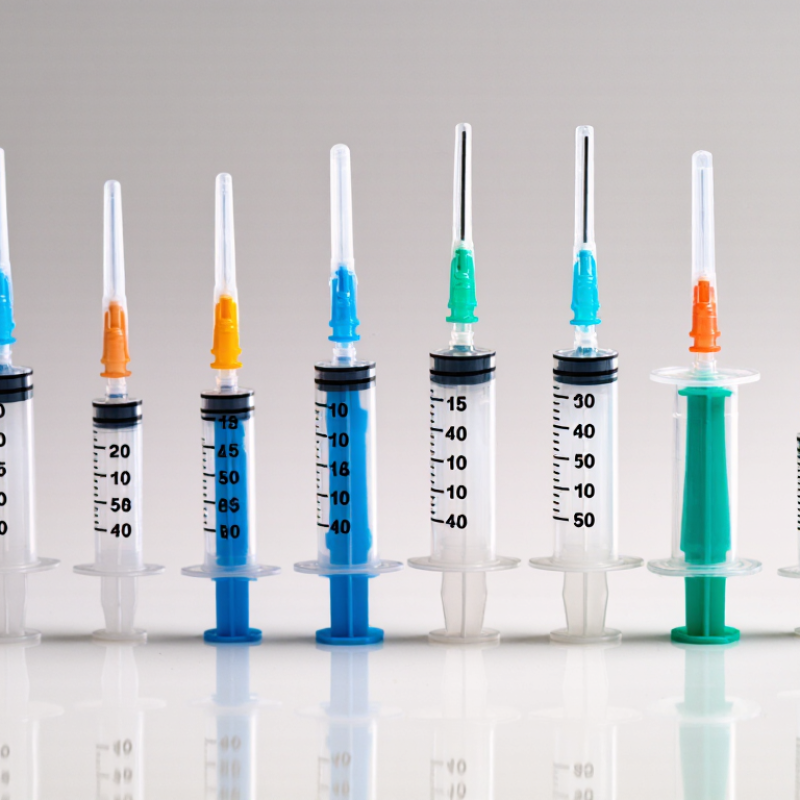
Insulin syringes with needles are sterile, single-use devices for measuring and injecting insulin under clinical guidance. They usually combine a transparent barrel, a plunger, printed dose markings, and a fine needle. Common capacities include 0.3, 0.5, and 1 milliliter. The scale matters. A U-100 syringe is calibrated for insulin containing 100 units per milliliter, so concentration and measurement must match. Mixing scales can cause serious dosing errors.

Needles vary in length and gauge. Many insulin syringes use fine needles between 28 and 31 gauge, with lengths commonly ranging from 6 to 13 millimeters. Shorter needles may reduce unnecessary penetration, but suitability depends on injection technique, body tissue, and professional advice.

ISO 8537:2016 covers sterile, single-use syringes designed for insulin. Reliable suppliers should provide lot traceability, intact packaging, expiry dates, and clear quality documentation. These details are easy to overlook.

Demand is expanding with diabetes prevalence. The International Diabetes Federation reported 537 million adults living with diabetes in 2021. Its Diabetes Atlas projects 783 million adults by 2045. That pressure affects procurement, storage, and consistent supply. Product selection should consider barrel readability, plunger movement, needle attachment, and packaging security. Not every syringe fits every insulin concentration. A practical review should also examine user feedback and failure records, not only catalog specifications. Some assumptions remain imperfect, especially when regional clinical practices differ.

Key Features Used to Compare Global Suppliers

Top 10 Insulin Syringe With Needle Suppliers Worldwide

Comparing global suppliers requires more than checking catalogue prices. The World Health Organization estimates that about 16 billion injections are administered worldwide each year, creating constant demand for safe, consistent devices. Supplier evaluation should begin with compliance to ISO 8537, which covers sterile, single-use insulin syringes with or without attached needles.

Needle size matters. Common options include 29G to 31G needles, with shorter lengths often preferred for subcutaneous insulin delivery. Clear barrel markings, smooth plunger movement, low dead space, and a secure needle hub can reduce dosing uncertainty. Packaging should show sterilization status, batch numbers, expiry dates, and traceability details. Small details matter.

MarketsandMarkets reported continued growth in insulin delivery devices, driven by rising diabetes prevalence and wider access to treatment. However, market growth does not prove supplier reliability. Buyers should examine independent quality certificates, complaint records, production capacity, and shipment consistency. A factory may offer excellent samples but struggle with a large seasonal order.

From practical purchasing experience, I would compare ten suppliers using the same checklist and identical sample quantities. Test the plunger force, barrel readability, needle sharpness, and packaging resistance after transport simulation. A low unit price can look persuasive. It is not always the smarter choice. I would also recheck certificates directly with the issuing bodies, because documents can become outdated while product pages remain unchanged.

Leading Insulin Syringe With Needle Suppliers Worldwide

Leading insulin syringe with needle suppliers worldwide serve hospitals, pharmacies, clinics, and home-care channels. Their value extends beyond production volume. Experienced suppliers maintain controlled molding, needle assembly, sterilization, and packaging lines. They also document each batch through lot numbers, inspection records, and traceable raw materials. In practice, procurement teams should review these records before discussing price. A low quote can hide inconsistent tolerances or weak after-sales support. Small details matter.

Reliable manufacturers usually operate quality systems aligned with recognized medical-device standards, such as ISO 13485, while meeting destination-market requirements. Buyers should request current certificates, declarations, sterilization validation, and biocompatibility evidence. Needle gauge, barrel capacity, plunger smoothness, graduation clarity, and dead-space design deserve hands-on checking. Samples can reveal issues that spreadsheets miss. A cap that fits poorly is not a minor concern. It may affect storage, handling, or user confidence. Requirements differ across countries, so one approval cannot represent every market.

Strong global suppliers communicate clearly about minimum order quantities, lead times, packaging artwork, private-label controls, and shipment conditions. They provide technical contacts, complaint procedures, and corrective-action records rather than vague promises. Factory audits are useful, but they are not perfect. A polished visit may overlook seasonal staffing changes or rushed inspections. Independent testing and periodic sample reviews add protection. The best sourcing decision balances documented compliance, consistent performance, responsible communication, and realistic delivery capacity.

Quality, Safety, and Regulatory Standards

A reliable insulin syringe supplier must prove more than production capacity. It should demonstrate sterile manufacturing, calibrated barrels, readable graduations, and secure needle attachment. The World Health Organization estimates that about 16 billion injections occur globally each year, making consistent device quality a major safety concern (WHO, Injection Safety Fact Sheet). Small details matter. A poorly printed scale can affect dose accuracy, especially for users with limited vision.

Procurement teams should request evidence against ISO 7886-1 for sterile, single-use syringes and ISO 7864 for hypodermic needles. They should also review biocompatibility testing, sterility validation, particulate controls, and packaging integrity. FDA guidance on medical-device quality systems emphasizes documented process controls, complaint handling, and corrective actions. In Europe, suppliers may need technical documentation aligned with the Medical Device Regulation. Requirements differ by market, so one certificate is never enough.

During supplier audits, examine batch records, environmental monitoring, and recall procedures. Traceability matters. A strong supplier can identify raw materials, operators, inspection results, and shipment details quickly. Yet no audit is perfect. A polished certificate can still hide weak line clearance or rushed final inspection. Independent sampling, stability checks, and clear change-notification clauses reduce that risk. WHO’s Global Patient Safety Action Plan also highlights preventable harm linked to unsafe healthcare processes. Quality should therefore be measured at the needle tip, not only in the purchasing file.

This chart highlights ten current international standards and regulatory references commonly used when evaluating insulin syringe suppliers. The values represent the publication or latest revision year of each reference, not supplier rankings or quality scores.

How to Select the Right Supplier for Your Needs

Top 10 Insulin Syringe With Needle Suppliers Worldwide

How to Select the Right Supplier for Your Needs

Choosing among the top ten suppliers requires more than comparing prices. Confirm the syringe capacity, needle gauge, length, and graduation clarity. These details affect dosing control and user comfort. A practical review should begin with product specifications, sample checks, and documented quality procedures.

Look for suppliers operating under recognized medical-device quality systems, such as ISO 13485. Request certificates, batch records, sterility information, and traceability documents. Check whether production sites support consistent inspection and controlled packaging. Local registration requirements also matter, because an acceptable product in one market may need additional approval elsewhere. Ask how the supplier manages complaints, recalls, and corrective actions. Clear answers indicate stronger accountability.

Delivery performance deserves equal attention. Review lead times, minimum order quantities, storage conditions, and shipping protections. A low quotation can become expensive after delays or damaged cartons. Compare payment terms carefully. Speak with technical and quality contacts, not only sales staff. Independent audits can reveal gaps that brochures hide. Product samples help, but samples alone cannot prove long-term consistency. That is an easy mistake.

A reliable supplier should explain risks without making exaggerated promises. Request references from comparable healthcare buyers when permitted. Keep written evaluation records for every candidate. Reassess the supplier after each major shipment. Even a careful selection can miss problems, so ongoing monitoring remains necessary. Procurement teams should involve qualified clinical and regulatory professionals before approval.

volume-unmute-yellow-icon volume-unmute-blue-icon