Top 10 Plant Extracts for Your Global Sourcing Needs?
The demand for Plant Extracts has surged in recent years. According to a report by Grand View Research, the global plant extract market was valued at approximately $27.5 billion in 2021. It is expected to expand at a compound annual growth rate (CAGR) of 11.6% through 2028. This growth reflects a broader trend in the food, cosmetics, and pharmaceutical industries towards natural and organic ingredients.
Plant extracts offer significant benefits. They provide flavors, colors, and health benefits that synthetic alternatives cannot match. For instance, many consumers prefer herbal remedies, driving the demand for plant-based ingredients. Yet, sourcing these extracts can be challenging. Quality control and ethical sourcing remain critical issues in the industry. Reports indicate that many suppliers struggle to meet evolving regulatory demands and consumer expectations.
Choosing the right plant extracts can enhance product offerings significantly. However, businesses must navigate complexities in sourcing. The supply chain can be unpredictable. Companies often face quality inconsistencies. Being aware of these challenges is essential for successful global sourcing. Understanding the landscape of plant extracts not only aids in compliance but ensures reliability in product formulations.
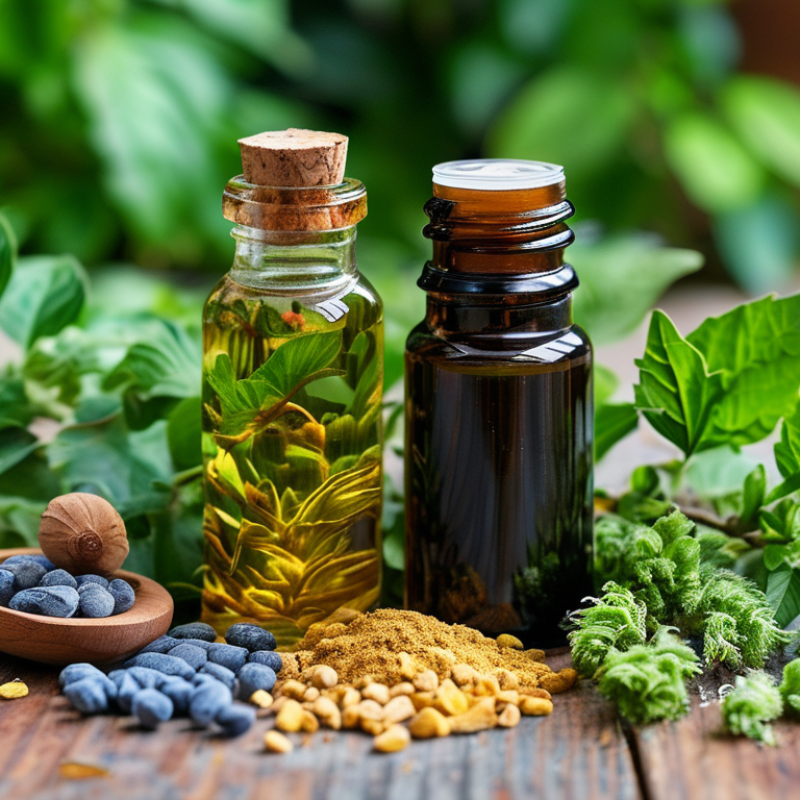
Top Plant Extracts for Global Sourcing: An Overview
The demand for plant extracts in global sourcing continues to rise. A report by Market Research Future indicates that the global market for herbal extracts is expected to reach USD 12.9 billion by 2025. This growth stems from increasing awareness of herbal remedies and the rising trend of natural ingredients in various industries.
Several plant extracts stand out for their sourcing potential. For instance, extracts from turmeric contain curcumin, which is praised for its anti-inflammatory properties. Meanwhile, ginger extracts have gained attention for their digestive benefits, participating heavily in the wellness sector. Moreover, industry studies show that consumers are increasingly opting for products with plant-based ingredients. This trend is reflected in a 2021 survey, which found that 78% of consumers are willing to pay more for natural products.
However, sourcing these extracts poses challenges. Variability in environmental conditions can affect crop yields and quality. Ethical sourcing practices must be implemented to avoid depleting natural resources. Indeed, a balance must be struck between meeting demand and ensuring sustainability. The ever-evolving regulations concerning botanicals further complicate the sourcing process, suggesting the need for continuous education and collaboration among stakeholders in the supply chain.
Key Characteristics to Consider for Plant Extract Sourcing
When sourcing plant extracts, it is crucial to consider several key characteristics. Purity is one significant factor. High-quality extracts should be free from contaminants. This ensures safety and effectiveness in various applications. Authenticity is also essential. Verify that the extracts are sourced from the correct species. Mislabeling can lead to ineffective products.
Another aspect is sustainability. Look for suppliers committed to eco-friendly practices. Sustainable sourcing protects natural resources and promotes biodiversity. Additionally, consider the extraction methods used. Cold-pressed or steam-distilled methods often yield better quality extracts. Conversely, chemical extraction may compromise their integrity.
Price should also be evaluated. While cost is important, it should not compromise quality. Balance affordability with the desired benefits of the extracts. Finally, keep an eye on regulatory compliance. Ensure that the extracts meet the necessary safety standards in your region. These reflections can guide your sourcing decisions effectively.
The Role of Sustainability in Plant Extract Selection
Sustainability is a growing priority in the selection of plant extracts. According to a report by the Global Sustainable Investment Alliance, investments in sustainable products reached over $35 trillion in 2020, reflecting increasing consumer demand for eco-friendly options. Companies must consider not only the efficacy of plant extracts but also their environmental impact. The sourcing methods used can significantly affect biodiversity and ecosystem health.
Research conducted by the World Resources Institute reveals that sustainable sourcing practices can reduce resource depletion by up to 40%. This is crucial for maintaining the integrity of natural habitats. Sourcing from organic growers or reputable suppliers that adhere to sustainable practices minimizes the ecological footprint. However, many companies still rely on traditional methods that may harm local communities and environments. This gap poses challenges for brands aiming for true sustainability.
Transparency in sourcing is vital. Consumers are becoming more educated about the origins of their products. They demand clear information on sustainability practices. Yet, many companies struggle to provide comprehensive details about their supply chains. A 2022 survey reported that over 60% of consumers feel brands lack transparency regarding sustainability. Organizations must assess their sourcing strategies and remain accountable. Embracing sustainability doesn't just fulfill obligations; it drives innovation and engenders trust in the long run.
Popular Regions for Sourcing Quality Plant Extracts
The global demand for high-quality plant extracts continues to rise, driven by consumer interest in natural products. Notable sourcing regions include Europe, Asia, and North America. Each area offers unique advantages and challenges.
Europe is renowned for its stringent quality standards. Countries like Germany and France specialize in essential oils and phytochemicals. Reports indicate that the European plant extract market is expected to grow at a CAGR of 6.2% through 2027. This growth is fueled by innovations in extraction techniques and increased regulation compliance.
Asia presents diverse sourcing opportunities. India and China are significant players in herb sourcing. The Indian herbal market alone is projected to reach USD 5 billion by 2025. However, sourcing from these regions may pose quality control issues. It's essential to verify suppliers through certifications.
Sourcing quality extracts requires diligence. Start with thorough supplier evaluations. Look for transparency in their extraction methods. Regular audits can ensure compliance with international standards. Connecting with local experts can provide cultural insights and market nuances that enhance sourcing strategies. Consider smaller, specialty suppliers who may offer unique products that fit niche markets.
Trends in the Market for Plant Extracts and Their Applications
The market for plant extracts is evolving rapidly. As consumers seek natural products, industries respond with innovative solutions. This shift is evident in various sectors, including cosmetics, food, and pharmaceuticals. Plant extracts, known for their therapeutic properties, are gaining traction. Many businesses are now exploring sustainable sourcing methods.
One significant trend is the focus on organic extracts. Producers are prioritizing ethical sourcing and environmental responsibility. The rise of e-commerce has made it easier for small suppliers to reach global markets. However, ensuring the purity and quality of these extracts remains a challenge. Companies must adapt to consumer preferences while maintaining rigorous quality controls.
Additionally, interest in unique extracts is growing. Extracts from lesser-known plants are entering mainstream markets. They offer distinctive flavors, fragrances, and health benefits. However, educating consumers on these new options can be difficult. Brands must find effective ways to communicate the advantages of these extracts. Overall, while the market presents opportunities, it also requires careful consideration of quality and consumer education.
Top 10 Plant Extracts for Your Global Sourcing Needs








