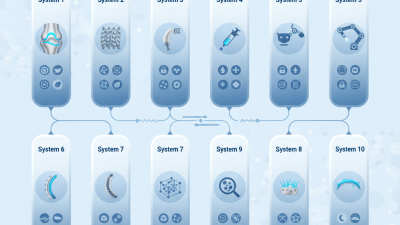
Browse products by medical specialities area or therapies

Product by Therapies
Product by Type
Product by Therapies
Product by Type
Arthroplasty
Product by Therapies
Product by Type
Sports Medicine
Product by Therapies
Knee Portfolio - ACL /PCL Reconstruction
Knee Portfolio - Meniscus Repair
Shoulder Portfolio - Bankart/Slap Repair
Shoulder Portfolio - Rotator Cuff Repair
Product by Type
The landscape of orthopedic healthcare in China has evolved rapidly. With advancements in technology and innovative approaches, "advanced orthopedic healthcare solutions" are transforming patient care. According to a recent report by Frost & Sullivan, the orthopedic market in China is projected to reach $12.4 billion by 2025. This growth highlights the increasing demand for specialized solutions that enhance surgical outcomes and patient recovery.
Dr. Li Wei, an expert in orthopedic innovation, emphasizes, "The future of orthopedic care lies in integrating advanced solutions with personalized treatment plans." This statement reflects the growing recognition of tailored approaches that cater to individual patient needs. The amalgamation of robotics, AI, and minimally invasive techniques is reshaping traditional practices, providing quicker recovery times and improved health metrics.
However, challenges remain in ensuring accessibility and affordability of these advanced solutions across different regions. As cities advance, rural areas still face gaps in quality orthopedic care. It's essential to address these disparities to harness the full potential of advanced orthopedic healthcare solutions for all. The journey towards excellence in orthopedic care is ongoing and full of reflections on what can still be improved.
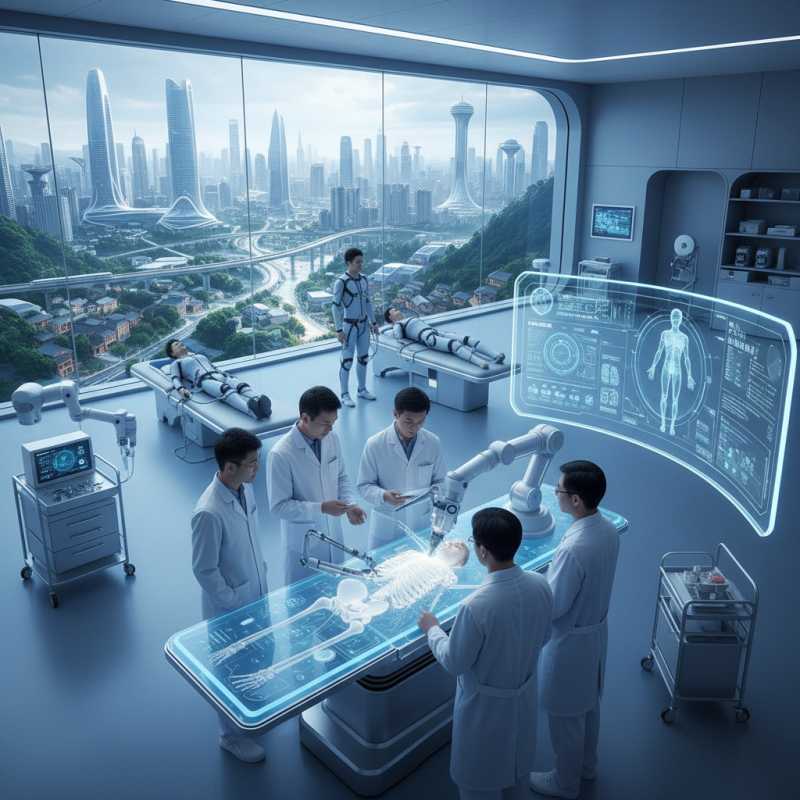
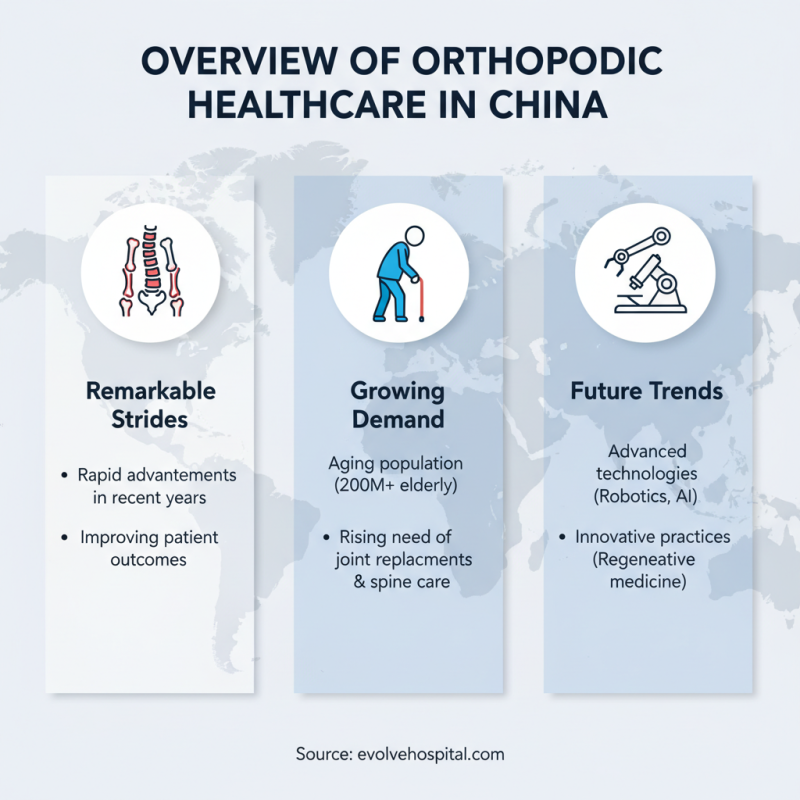
Orthopedic healthcare in China has made remarkable strides in recent years. With a growing elderly population, the demand for effective orthopedic solutions continues to rise. As traditional methods evolve, advanced technologies and innovative practices are shaping the future of orthopedic care.
The integration of digital tools, such as telemedicine and artificial intelligence, enhances diagnosis and treatment options. These technologies facilitate better patient monitoring and personalized care. Nonetheless, there is still a gap in access to specialized services in rural areas. This ongoing issue calls for improvement in healthcare infrastructure.
Tips: Stay informed about local clinics and hospitals offering advanced orthopedic care. Regular check-ups can prevent severe conditions. Also, consider discussing treatment options with multiple specialists for a well-rounded perspective. Ultimately, comprehensive orthopedic healthcare is about both advanced solutions and patient empowerment.
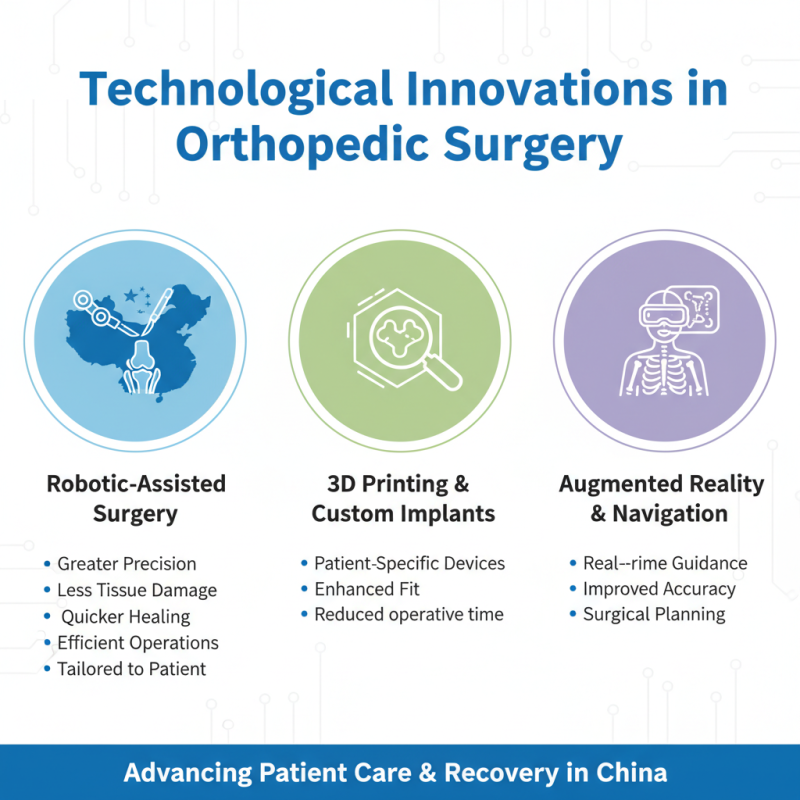
Orthopedic surgery has seen remarkable advancements in recent years. In China, hospitals are adopting cutting-edge technologies that enhance patient care and recovery. One significant innovation is robotic-assisted surgery. This technology allows for greater precision during procedures, resulting in less tissue damage and quicker healing times. Surgeons report that operations can be more efficient and tailored to each patient’s needs.
3D printing is another breakthrough. It creates customized implants that match the patient's anatomy. This personalization can improve the success rate of surgeries. Additionally, the use of augmented reality provides surgeons with real-time data and visuals during operations. This helps in making informed decisions on the spot and boosts overall surgical accuracy.
Despite these advancements, challenges remain. The high cost of these technologies can limit accessibility for some patients. Moreover, training medical staff to use advanced tools is essential. Without proper training, the effectiveness of these innovations may not be fully realized. As the field evolves, ongoing evaluation and adaptation will be necessary to maximize the benefits of these technologies in orthopedic care.
China boasts a range of advanced orthopedic hospitals and clinics, dedicated to providing top-notch care. These institutions are equipped with cutting-edge technology and staffed by specialists with extensive training. In cities like Beijing and Shanghai, you will find centers renowned for their innovative surgical techniques and patient-centered approaches.
Many clinics emphasize personalized treatment plans tailored to individual needs. These plans may involve surgery, physical therapy, or alternative treatments. Patient outcomes can vary, highlighting the necessity for thorough consultations and evaluations. Accessibility can also be an issue, with some top-tier facilities experiencing long wait times.
While these hospitals offer advanced solutions, challenges remain. Not every clinic maintains the same standards of care. It’s crucial for patients to research and choose wisely. Peer reviews and patient testimonials serve as valuable resources. A well-informed decision can greatly enhance the experience and outcomes of orthopedic care in China.
In the realm of advanced orthopedic solutions, patient-centered care stands as a fundamental principle. This approach prioritizes the individual needs and preferences of patients. Understanding their unique circumstances allows healthcare providers to tailor treatment plans effectively. Collaboration between patients and medical teams enhances communication, fostering a supportive environment.
Tips: Always share your concerns with your healthcare provider. Open dialogue is crucial for a successful treatment journey.
Moreover, advanced technologies play a significant role. Innovations such as minimally invasive surgery and personalized rehabilitation programs improve patients' recovery experiences. However, accessibility remains a challenge. Not all patients benefit equally from new technologies. It's essential to evaluate the specific needs and limitations of each patient.
Tips: Stay informed about new orthopedic treatment options. Knowledge empowers proactive health decisions and helps in discussions with your doctor.
In conclusion, prioritizing patient-centered care within orthopedic healthcare requires ongoing reflection and adaptability. Health professionals must continuously strive to balance cutting-edge advancements with the personalized approach that patients require. Engaging with patients holistically leads to better outcomes, yet there is still room for improvement in accessibility and individualized care.
| Solution Type | Description | Technology Used | Patient Benefits |
|---|---|---|---|
| Robotic Surgery | Minimally invasive surgical technique for joint replacements. | Robotic-assisted surgical systems. | Reduced recovery time and less postoperative pain. |
| 3D Printing | Custom implants and surgical tools based on patient anatomy. | Additive manufacturing technologies. | Enhanced fit and improved surgical outcomes. |
| Telemedicine | Remote consultations and follow-ups for orthopedic patients. | Video conferencing tools and mobile apps. | Increased access to care and convenience for patients. |
| Wearable Technology | Devices that monitor patient activity and recovery. | Smart sensors and tracking applications. | Improved engagement in recovery and proactive health monitoring. |
| Biologics | Use of biological materials to enhance healing. | Stem cells and growth factors. | Accelerated healing and improved joint function. |
| Virtual Reality | Immersive simulations for pre-surgical planning and education. | VR headsets and interactive software. | Enhanced understanding of procedures and reduced anxiety. |
| Artificial Intelligence | Data analysis for predictive outcomes and personalized treatment. | Machine learning algorithms and data analytics. | More accurate diagnoses and tailored treatment plans. |
| Rehabilitation Robotics | Assistive devices for physical therapy and recovery. | Robotic exoskeletons and smart rehabilitation tools. | Enhanced mobility and accelerated rehabilitation process. |
| Personalized Medicine | Tailored treatment based on patient genetics and demographics. | Genomic sequencing and data integration. | Optimized treatment effectiveness and reduced side effects. |
The orthopedic healthcare landscape in China is rapidly evolving. Recent studies indicate that the population experiencing orthopedic issues is increasing, driven by aging demographics and lifestyle changes. By 2030, it is projected that over 200 million people in China will suffer from musculoskeletal disorders, highlighting the pressing need for advanced healthcare solutions.
Emerging technologies are reshaping treatment protocols. Robotics and AI are becoming integral in surgeries, enhancing precision and recovery rates. For instance, some reports suggest that robotic-assisted surgeries could reduce recovery time by up to 30%. However, the integration of these technologies faces challenges, including high costs and the need for specialized training. Moreover, disparities in access between urban and rural areas persist, causing inequities in patient outcomes.
Telemedicine is also gaining traction in orthopedic care. Recent surveys show that 65% of patients express interest in remote consultations. However, the reliability of telehealth for diagnostics and treatment monitoring raises questions. There's a gap between technological advancements and their practical applications. Understanding patient needs and ensuring quality care remain critical as providers navigate these changes.