How to Choose the Right Sports Medicine Implant Offerings for Your Needs?
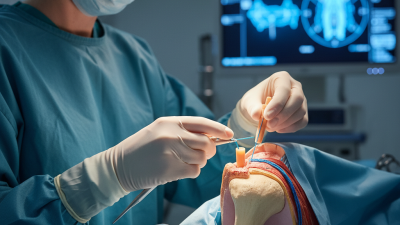
Choosing the right sports medicine implant offerings can be a complex task. Athletes and patients often face overwhelming options. Understanding these options is crucial for informed decisions. Sports medicine implants vary in materials, designs, and functionalities. Each type offers unique benefits and potential drawbacks.
Many factors impact your choice. Consider the type of injury or condition, activity level, and personal goals. Consulting with a specialized healthcare professional is essential. They bring expertise to guide you through the choices. Their insights can uncover critical details about durability and recovery time.
It's also important to reflect on past experiences with different implants. Some may offer quick solutions, but long-term effectiveness is vital. Evaluating all available information ensures the right fit for your needs. Balancing personal goals with expert advice leads to optimal outcomes in sports medicine.
Understanding Different Types of Sports Medicine Implants Available Today
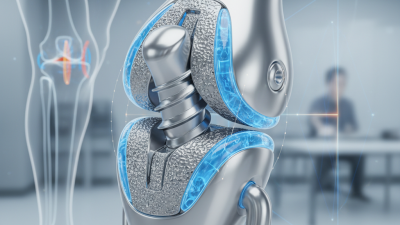
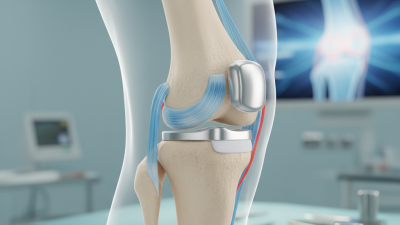
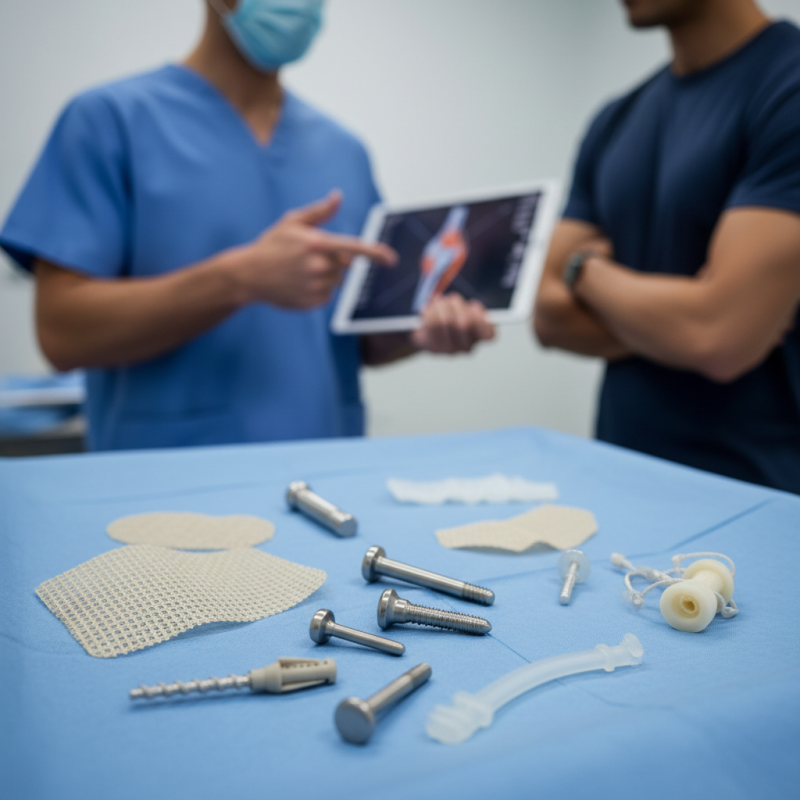
Sports medicine implants have advanced significantly in recent years, offering various options for athletes and active individuals. Understanding these different types is crucial for making informed choices. Implants can include screws, plates, and joint replacements. Each serves distinct purposes depending on the injury type and severity. For example, a simple fracture may only require screws for stabilization, while a knee injury might necessitate a more complex replacement.
When selecting an implant, it is crucial to consider the material used. Common options include titanium, known for its strength and biocompatibility, and biodegradable polymers, which gradually dissolve after serving their purpose. Consult with a healthcare professional to evaluate the best choices for your specific condition. Knowing exactly how each implant performs under stress and movement can help set realistic expectations for recovery.
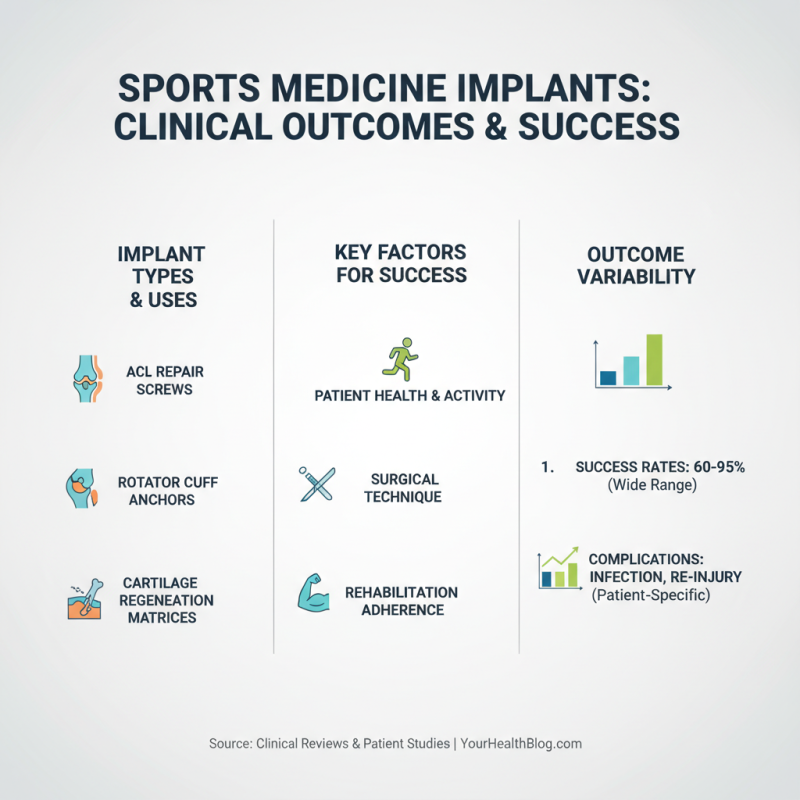
Personal experiences can greatly influence decisions. Many athletes report mixed outcomes with certain implants. Factors such as activity level, age, and overall health play essential roles. Listening to both successful and challenging stories can provide valuable insights. The right choice requires thorough research and reflection on individual needs. Engaging with knowledgeable professionals can further refine your understanding, leading to confident decisions about sports medicine implants.
Evaluating Patient-Specific Needs and Activity Levels in Implant Selection
Choosing the right sports medicine implant is a crucial decision for both patients and healthcare providers. Understanding patient-specific needs is vital. Each athlete has unique requirements depending on their sport, physical condition, and activity level. A runner may need different support than a football player. Evaluating these distinctions ensures better outcomes.
Activity levels play a significant role in implant selection. An athlete engaging in high-impact sports requires durable materials. Conversely, someone participating in low-impact activities might prioritize flexibility. Gathering detailed information about a patient's lifestyle is essential in making informed choices. Discussions about previous injuries, pain experiences, and overall goals can illuminate what works best.
The process isn’t always straightforward. Some implants might perform well in one scenario but fail in another. This can lead to complications, necessitating further interventions. Continuous evaluation and reflection are necessary components of selecting the right device. Consulting with specialists can guide effective decision-making, but ultimately, individualized assessments should remain at the forefront.
Analyzing Material Properties and Biocompatibility of Implants
When selecting sports medicine implants, understanding material properties is crucial. Implants must endure significant stress and strain. Reports indicate that titanium alloys are favored for their strength-to-weight ratio. They exhibit exceptional durability and are resistant to corrosion. Such qualities are critical for athletes who demand high performance from their implants.
Biocompatibility also significantly impacts implant choice. Materials must interact favorably with biological tissues to avoid adverse reactions. Polymers and ceramics are often chosen for their compatibility. A study in the Journal of Biomedical Materials Research noted an increase in patient happiness with biocompatible implants, emphasizing the importance of material selection in recovery.
However, the perfect solution may not exist. Every athlete has unique needs and medical histories. Some materials may perform well but cause allergic reactions in specific populations. Continuous research is essential to improve material performance and patient safety. Limitations in current biocompatibility tests create challenges that require reflection and innovation. Balancing these factors is an ongoing journey in sports medicine.
Considering Cost-Effectiveness and Insurance Coverage for Implants
When selecting sports medicine implants, cost-effectiveness and insurance coverage are crucial. Understanding the financial aspects helps in making informed decisions. Evaluate your options carefully. Some implants may seem cheaper but may not be durable. You might pay more in the long run for frequent replacements.
Insurance coverage varies widely. Some plans may not fully cover certain implants. Always check what your policy includes. It might require prior approvals or have specific networks. If an implant is essential for recovery, discuss it openly with your healthcare provider. They can guide you on the best choices within your budget constraints.
It's vital to consider the long-term impact of your decision. Sometimes, a more expensive option can lead to better outcomes and lower overall costs. Be wary of hidden fees too. They can significantly affect your financial situation. Balancing quality with affordability requires thoughtful consideration and open communication with medical professionals.
Cost-Effectiveness of Sports Medicine Implants
This chart compares the cost-effectiveness of various sports medicine implants in relation to their insurance coverage. The costs reflect average pricing, while the coverage percentages indicate the portion of costs typically covered by insurance plans.