Why is Knee and Hip Motion Restoration Essential for Recovery?
Knee and hip motion restoration is vital for effective recovery after injuries or surgeries. Dr. Sarah Thompson, an expert in rehabilitation, emphasizes, “Restoring motion is key to regaining strength and mobility.” Patients often underestimate the significance of movement in their rehabilitation journey.
Injuries to the knee and hip can lead to chronic pain and limited mobility. Many patients face challenges during recovery due to fear of re-injury or discomfort. Effective knee and hip motion restoration can alleviate these fears, promoting confidence in movement. It’s about more than just physical healing; emotional and psychological barriers also need to be addressed.
Engagement in targeted exercises encourages recovery and enhances overall quality of life. Many individuals may overlook this process, prioritizing other aspects of their rehabilitation. However, without dedicated focus on knee and hip motion restoration, progress can stall. This reinforces the importance of a structured approach to physical therapy that addresses both physical and mental components of healing.

Understanding Knee and Hip Motion Restoration in Rehabilitation
Restoring knee and hip motion is a critical aspect of rehabilitation. When these joints are injured, the body's movement patterns can suffer significantly. This can lead to compensatory movements and increased risk of further injury. Understanding the nuances of knee and hip motion restoration helps in developing effective recovery strategies.
Improving mobility in these joints often begins with targeted exercises. Patients should focus on range-of-motion activities. Simple movements like leg raises can promote flexibility. Gradually, incorporating strength training can build stability around the knee and hip. Consistency is key in rehabilitation to regain full function.
Listening to your body is crucial. Pain can indicate that your body is not ready for certain movements. It’s important to modify exercises when necessary. Keep in mind that progress can be nonlinear. Celebrate small victories, like bending your knee more than before. This mindset fosters a more positive rehabilitation experience.
The Importance of Joint Mobility for Functional Recovery
Joint mobility is crucial for recovery after an injury or surgery. Restoring motion in the knee and hip can significantly impact a person's functional abilities. When these joints are stiff, everyday activities become challenging. Simple tasks, like walking or climbing stairs, can feel impossible. Without proper movement, muscles may weaken, leading to further complications.
Engaging in targeted exercises can enhance joint mobility. These exercises help maintain flexibility and strength. However, many people underestimate their importance. They may skip rehabilitation sessions or avoid stretching out of fear of pain. This reluctance can hinder progress. Recognizing the need for mobility can push individuals toward making better choices for their health.
It's important to set realistic goals. Some days may feel like steps backward, and that's part of the journey. Celebrating small victories is vital for motivation. Listening to the body is equally essential. Not every exercise will work for everyone. Finding a personalized approach can help foster trust in the recovery process. Balancing effort with patience is key to achieving long-term success.
Why is Knee and Hip Motion Restoration Essential for Recovery?
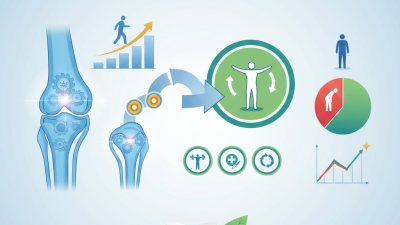
This bar chart illustrates the improvement in joint mobility based on rehabilitation efforts over a 12-week period for patients recovering from knee and hip injuries.
Common Causes of Knee and Hip Dysfunction Post-Injury
Knee and hip dysfunction often arises after injuries, leading to pain and mobility issues. Common causes include joint instability, muscle weakness, and inflammation. Post-injury changes can create a cycle of dysfunction. For example, a torn ligament in the knee may lead to muscle imbalances. This imbalance can stress neighboring joints, particularly the hip, resulting in further complications.
Rehabilitation programs focus on restoring motion in these areas. Patients may experience frustration during recovery. Simple tasks like walking or climbing stairs can feel daunting. Some may not realize that limited motion can delay healing. Muscle stiffness and joint tightness can develop. This discomfort necessitates tailored exercises to promote flexibility and strength in both the knee and hip.
Understanding the specific causes of dysfunction is vital. It allows for targeted interventions that address individual needs. Ignoring these issues can lead to long-term consequences. Mobility isn’t just about movement; it’s also about regaining confidence. Rehabilitation is a journey that requires persistence and patience. Each small improvement is a step toward full recovery.
Techniques and Therapies for Restoring Joint Motion
Knee and hip joint motion is critical for overall mobility and rehabilitation. Effective restoration techniques can significantly impact recovery outcomes. According to a report from the American Academy of Orthopedic Surgeons, patients who engage in early motion therapy show a 30% faster recovery than those who do not. Techniques like active range-of-motion exercises help restore flexibility, while manual therapy can alleviate tightness in surrounding muscles.
For those recovering from surgery or injury, tailored exercise programs are key. Physical therapists often recommend resistance training and stretching as foundational techniques. A study published in the Journal of Rehabilitation Research found that patients who followed a structured program experienced a 25% increase in joint function. However, the success of these therapies often hinges on patient compliance and their understanding of the process.
Moreover, it's crucial to recognize that not all approaches work universally. Some individuals may find certain exercises painful, which can hinder progress. Regular feedback and adjustments from healthcare professionals are essential for optimizing recovery strategies. This iterative process might seem tedious, but it is vital for achieving long-term mobility gains. The path to joint restoration is often challenging and requires patience, but its importance in recovery is undeniable.
Benefits of Improved Knee and Hip Mobility on Overall Health
Knee and hip mobility plays a crucial role in enhancing overall health. Research shows that improved mobility can reduce the risk of chronic diseases. According to a 2021 study, individuals with better lower body flexibility have lower rates of heart disease and diabetes. Movement in these joints affects balance and stability, essential for maintaining an active lifestyle.
Maintaining good hip and knee function contributes to improved mental health. Regular mobility exercises release endorphins, which can alleviate anxiety and depression. A survey by the American Physical Therapy Association indicated that 75% of individuals who improve their lower body mobility report better emotional well-being.
For better knee and hip mobility, regular practice is key. Incorporate stretching routines daily. Yoga and Pilates can enhance flexibility while strengthening muscles. Gradually increase the intensity and duration of your workouts. Listen to your body; discomfort can signal a need for rest or modification. Assess your progress and adjust your routine accordingly.
Why is Knee and Hip Motion Restoration Essential for Recovery? - Benefits of Improved Knee and Hip Mobility on Overall Health
| Aspect |
Benefits |
Impact on Health |
| Knee Flexibility |
Enhanced range of motion |
Improved daily activities |
| Hip Strength |
Better stability |
Reduced risk of falls |
| Joint Pain Relief |
Decreased pain during movement |
Enhanced quality of life |
| Improved Circulation |
Increased blood flow to muscles |
Faster recovery post-exercise |
| Functional Movement |
Easier daily tasks (e.g., climbing stairs) |
Improved independence |
| Posture Enhancement |
Better alignment during activities |
Reduction in chronic pain |