Browse products by medical specialities area or therapies
Product by Therapies
Product by Type
Product by Therapies
Product by Type
Arthroplasty
Product by Therapies
Product by Type
Sports Medicine
Product by Therapies
Knee Portfolio - ACL /PCL Reconstruction
Knee Portfolio - Meniscus Repair
Shoulder Portfolio - Bankart/Slap Repair
Shoulder Portfolio - Rotator Cuff Repair
Product by Type
China’s hip implant market is changing quickly. Demand is shaped by an ageing population, rising osteoarthritis rates, and wider access to joint replacement. China’s National Bureau of Statistics reported that 296.97 million people were aged 60 or older in 2023, representing 21.1% of the population. The Global Burden of Disease 2021 study, published in The Lancet Rheumatology, estimated that 595 million people worldwide had osteoarthritis in 2020. These figures signal a growing need, not a guarantee that every patient needs surgery.
This guide compares leading Hip implant solutions available in China, including implant materials, bearing surfaces, fixation methods, and clinical support. It also considers evidence behind durability claims, surgeon experience, hospital access, and follow-up care. Professor Daniel J. Berry, an orthopaedic surgeon and arthroplasty researcher, has emphasized evaluating outcomes with reliable evidence. In paraphrase: implant decisions should reflect patient needs and measured results, not marketing claims. That distinction matters.
There is no universal winner. A ceramic-on-polyethylene bearing may suit one patient, while another needs a different design or fixation strategy. Age, bone quality, activity, anatomy, and surgical technique all affect the choice. Comparisons are imperfect. Product availability and long-term outcome data can vary across hospitals and patient groups. Readers should therefore treat rankings as a starting point, then discuss options with a qualified orthopaedic surgeon. The practical details matter: implant fit, rehabilitation plans, and scheduled follow-up can shape the experience as much as the product name.
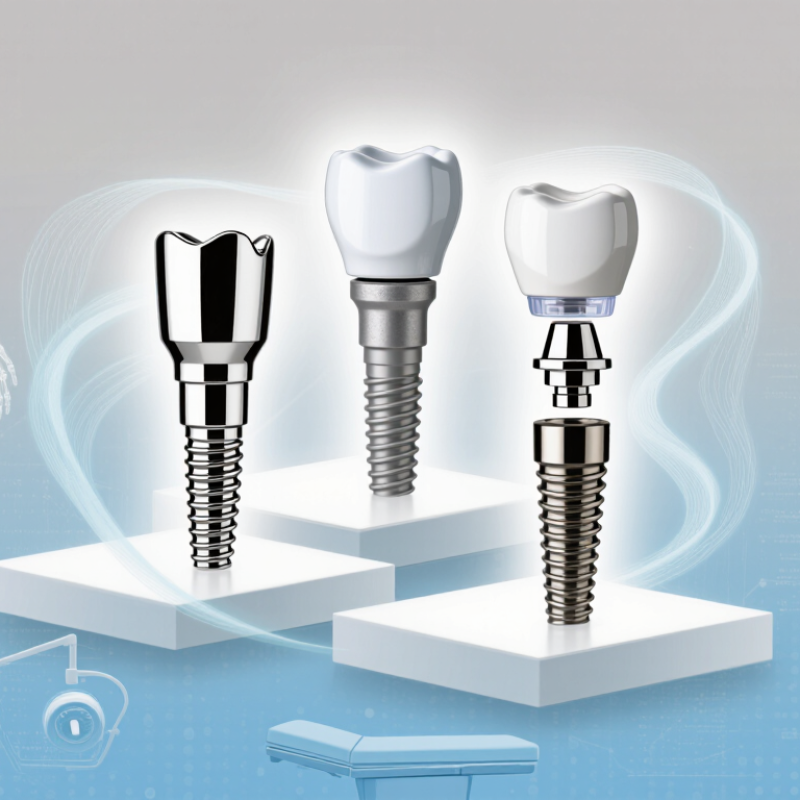
In China, hip implant solutions commonly differ by fixation method, bearing surface, and the patient’s bone condition. Cemented implants use bone cement to secure the stem, while uncemented designs rely on bone growing onto a textured surface. Some operations combine both methods. The choice is not simply a matter of age; bone quality, activity level, and surgical assessment all matter.
Bearing surfaces also vary. A ceramic or metal head may move against a plastic liner, often made from highly cross-linked polyethylene. Ceramic-on-ceramic is another option, though its suitability depends on individual factors and potential trade-offs. The fit matters. Implant size and positioning are planned using imaging, then checked during surgery. A surgeon may explain why one combination suits a patient better than another, including expected wear, stability, and recovery needs. Availability can differ between hospitals, so patients should confirm which options are offered and discuss relevant risks, such as dislocation or material sensitivity. No option is perfect. Even a clear explanation may leave details uncertain, and a second clinical opinion can help when choices feel rushed.
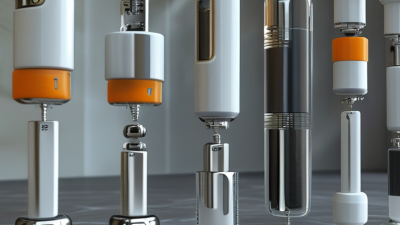
Hip implant materials differ in strength, wear behavior, and feel. A common combination pairs a titanium-alloy stem with a ceramic or cobalt-chromium head and a highly cross-linked polyethylene liner. The stem sits inside the thigh bone; the liner forms a smooth cup surface. Ceramic-on-ceramic bearings can reduce wear, but squeaking and fracture remain considerations. No material is perfect. Cementless designs rely on bone growing onto a porous surface, while cemented stems use bone cement for fixation. Bone quality, age, activity, and surgical approach all matter.
Registry data can inform these choices, but it cannot predict one person’s result. The 2023 UK National Joint Registry report documented more than three million joint replacement procedures across its history, tracking implant use and revisions. Such long-term records help clinicians compare durability trends across designs. For patients in China, local surgeon experience and follow-up access also deserve attention. A technically advanced surface may be less useful if the fit or fixation is unsuitable.
Tips: Ask which bearing pair and fixation method are proposed, and why they fit your bone quality. Ask how often the team monitors wear or loosening. Bring a list of medications and activity goals. Small details matter. Also ask what remains uncertain; implant data can guide decisions, not remove every doubt.
| Implant Solution | Typical Materials | Common Design Features | Typical Use and Considerations |
|---|---|---|---|
| Cementless total hip replacement | Titanium alloy or cobalt-chromium alloy components; a ceramic or metal femoral head; highly cross-linked polyethylene or ceramic liner. | A porous or textured stem and acetabular shell are designed to support bone ingrowth. The cup may accept a modular liner. | Often considered when bone quality is suitable for biological fixation. Initial stability and later bone integration are important; suitability depends on the patient and surgical assessment. |
| Cemented total hip replacement | Metal femoral stem, commonly cobalt-chromium alloy or stainless steel; polyethylene liner; polymethylmethacrylate (PMMA) bone cement. | Bone cement secures the stem, and may also be used to fix the acetabular component. The bearing commonly uses a metal head against polyethylene. | Can be considered where immediate fixation is desired or bone quality is a concern. The choice of cemented or cementless fixation is individualized. |
| Ceramic-on-highly cross-linked polyethylene | Alumina-based ceramic or alumina-matrix composite femoral head; highly cross-linked polyethylene liner. | A ceramic head articulates against a polyethylene liner in a modular total hip construct. | A widely used bearing combination intended to limit wear compared with conventional polyethylene. Long-term outcome also depends on component position, patient factors, and implant design. |
| Ceramic-on-ceramic bearing | Ceramic femoral head and ceramic acetabular liner, commonly based on alumina or alumina-matrix composite materials. | Both articulating surfaces are ceramic; the liner is seated inside an acetabular shell. | Offers low-wear bearing characteristics, but ceramic components can fracture and may produce audible noise in some cases. Appropriate use requires careful patient and surgical selection. |
| Metal-on-highly cross-linked polyethylene | Cobalt-chromium alloy femoral head with a highly cross-linked polyethylene liner; metal stem and shell. | A conventional modular total hip design with a metal head articulating against a polymer liner. | A long-established bearing option. Wear and performance vary with head size, component positioning, materials, and patient activity. |
| Short-stem or bone-preserving cementless design | Most commonly titanium alloy, often with a porous or roughened surface; paired with a suitable head and liner bearing. | A shorter femoral stem is intended to preserve more proximal femoral bone while achieving press-fit fixation. | May be considered for selected patients with appropriate anatomy and bone quality. It is not suitable for every patient, and results depend on fixation and placement. |
| Revision hip implant system | Metal stems and shells, often with porous surfaces; modular metal augments or sleeves may be used. Bearing materials vary. | Longer or modular stems and augment options help address bone loss or reconstruct complex anatomy. | Used in revision surgery when an earlier implant has failed or bone stock is deficient. The reconstruction is tailored to the cause of failure and remaining bone. |
| Dual-mobility total hip design | Metal acetabular shell, polyethylene mobile liner, and a femoral head; stem material depends on the system. | A small femoral head is captured within a mobile polyethylene liner, which articulates inside the outer metal shell. | Designed to increase effective range of motion and reduce dislocation risk in selected patients. It introduces an additional bearing interface and requires appropriate clinical judgment. |
A hip implant is not selected by popularity alone. In China, surgeons compare a patient’s bone quality, anatomy, age, activity level, and overall health. They review X-rays and, when needed, other imaging to assess bone shape and plan component size. The operation may use cemented or cementless fixation, depending partly on bone strength and clinical judgment. Bearing surfaces also vary, and each option involves trade-offs. Details matter.
A surgeon will ask about daily routines: walking on uneven paths, climbing stairs, or sitting for long periods. These details can help shape discussions about stability, durability, and recovery goals. Past operations, medication use, and conditions affecting bone or healing also matter. The best choice is individualized, not a promise of a particular outcome. There is no perfect fit. Patients should ask why a proposed implant suits their case, what alternatives exist, and what risks or follow-up care to expect. Even careful planning has limits; anatomy and healing can differ from scans and predictions. A clear conversation helps patients weigh those uncertainties before deciding together with their surgical team.
Hip replacement surgery replaces damaged joint surfaces with an artificial joint to reduce pain and improve movement.
In China, implant selection should depend on a patient’s bone quality, anatomy, age, activity level, and medical history—not popularity alone. A surgeon can explain the options, expected benefits, and possible risks in plain language. Ask how often the team performs this procedure and what support is available after discharge.
Before surgery, patients may have blood tests, imaging, and a review of medicines. Recovery often begins with standing or taking a few assisted steps, sometimes on the day of surgery. It can wobble. A walker, raised toilet seat, or firm chair may help during the first weeks at home. Follow the care team’s instructions for wound care, exercises, and follow-up visits; do not push through sharp or worsening pain. Progress varies, and swelling or tiredness can linger. Contact a clinician promptly for fever, increasing redness, drainage, sudden calf swelling, chest pain, or shortness of breath. Small practical details matter: clear loose rugs, keep essentials within reach, and arrange help with meals and bathing.
In China, hip implant safety starts before surgery. The National Medical Products Administration reviews devices for registration, while standards such as ISO 7206 assess component strength and fatigue, and ISO 14242 measures wear. These tests matter: a femoral stem must tolerate repeated loading, while tiny particles from a bearing surface can affect surrounding bone. Still, laboratory performance cannot predict every patient’s result.
Long-term outcomes need careful reading. The UK National Joint Registry’s 20th Annual Report (2023) reported roughly 3–5% revision risk at ten years across common primary hip replacement fixation groups. This is a useful benchmark, not a China-specific forecast; age, diagnosis, surgical technique, and follow-up differ. China’s hospitals should track local revision rates and report outcomes by patient group and implant type. Ask how long a centre follows patients, and whether it records pain, function, infection, and reoperation—not just implant survival.
Small details count. A registry can miss people who move or stop attending. That weakness deserves attention. And a well-tested implant still needs sound positioning, careful wound care, and regular follow-up. Real outcomes are less tidy than a chart.