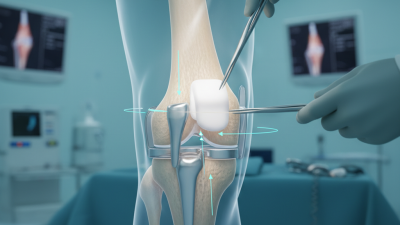
What Are the Top Sports Medicine Implant Offerings?
Choosing among today’s Sports medicine implant offerings requires more than comparing brand names or surgical brochures. Clinicians must examine fixation strength, material behavior, imaging compatibility, and evidence from relevant patient groups. A shoulder anchor used for a professional pitcher may not suit an older patient with fragile bone. Small design differences can influence stability, rehabilitation, and long-term comfort.
Dr. Freddie Fu, a widely respected sports-medicine surgeon, stated, “The goal of any ACL reconstruction is to restore the patient to his or her pre-injury level of activity.” His observation remains important when evaluating implant systems. A successful offering should support anatomy, surgical precision, and realistic recovery goals. It should also have transparent clinical data, appropriate regulatory clearance, and dependable manufacturer support. Marketing language is not evidence.
The details matter.
This overview will examine leading implant categories, including suture anchors, interference screws, fixation buttons, cartilage-repair scaffolds, and joint-preserving devices. It will consider how surgeons weigh implant materials, delivery systems, revision options, and patient-specific risks. Experience in the operating room often reveals limitations that product tables overlook. Even so, personal preference should not replace peer-reviewed research or shared decision-making.
No implant is perfect. A device may perform well in controlled studies yet create challenges in unusual anatomy or demanding sports. That uncomfortable gap deserves attention. By comparing clinical purpose, supporting evidence, and practical usability, readers can better understand which Sports medicine implant offerings may serve athletes, active adults, and carefully selected patients.
ACL Reconstruction Implants: AAOS Cites 100,000–200,000 U.S. Injuries/Year
ACL reconstruction remains one of the most significant areas in sports medicine. The American Academy of Orthopaedic Surgeons estimates 100,000–200,000 ACL injuries occur annually in the United States. Its 2022 Clinical Practice Guideline supports individualized reconstruction decisions, especially for active patients facing instability or combined injuries.
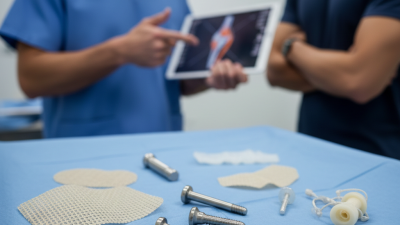
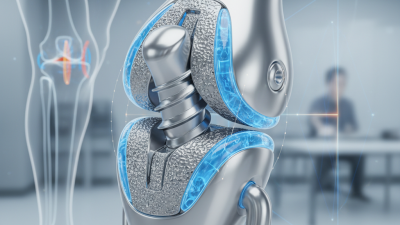
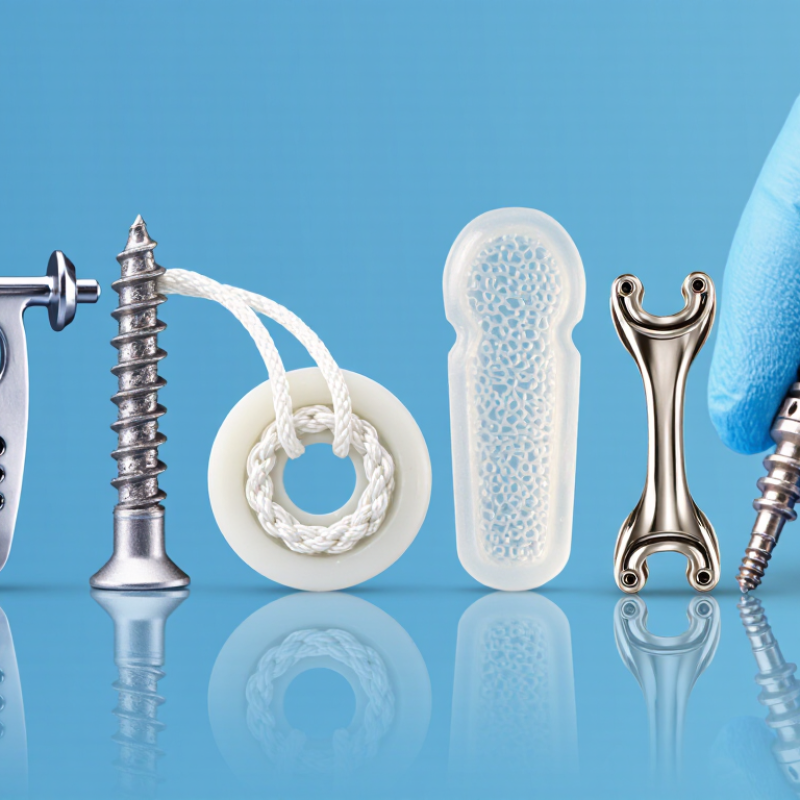
Current implant offerings include interference screws, cortical buttons, suspensory fixation devices, and suture anchors. These implants secure grafts inside bone tunnels or support associated meniscus repairs. Material selection may involve bioabsorbable polymers, composite materials, or metals. Each option has trade-offs. A device may simplify fixation, yet tunnel widening, migration, or irritation can still occur. The FDA emphasizes careful device evaluation, surgical technique, and post-market safety monitoring. No implant removes biological uncertainty.
Tips:
Match fixation to graft type, tunnel quality, and patient activity. Review imaging before surgery. Confirm sterilization, labeling, and device indications. Discuss rehabilitation expectations clearly. AAOS guidance also favors shared decision-making, not automatic implant selection. A practical detail matters: the patient’s return-to-sport plan should influence fixation strategy. Even excellent hardware cannot compensate for poor rehabilitation. That point is easy to overlook.
Meniscal Repair Devices: AOSSM Reports About 850,000 U.S. Surgeries/Year
Meniscal repair devices serve a large and demanding surgical need. The American Orthopaedic Society for Sports Medicine reports about 850,000 meniscal surgeries in the United States each year. This figure includes different procedures, but it shows the scale of meniscal injury care. Many patients are active adults with twisting injuries, swelling, and painful clicking.
Current implant offerings include all-inside devices, suture-based systems, and small fixation anchors. Surgeons assess tear pattern, vascular zone, tissue quality, and knee stability before selecting an implant. All-inside systems may reduce accessory incisions and simplify posterior horn access. Suture constructs can provide adjustable compression around complex tears. Small details matter, including needle trajectory, deployment control, and implant security during flexion.
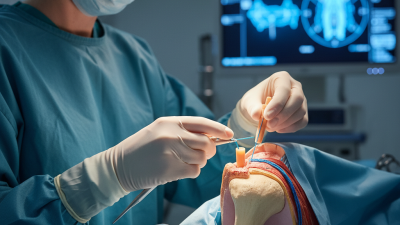
Evidence is not perfectly uniform. The American Academy of Orthopaedic Surgeons’ clinical guidance supports meniscal preservation when repair is appropriate, but outcomes vary with patient selection and tear biology. A device cannot replace careful preparation. It also cannot correct poor tissue quality. In practical cases, a surgeon may handle a compact instrument beside a swollen knee while protecting cartilage and avoiding neurovascular structures. That pressure is real.
Long-term success depends on healing, rehabilitation, and realistic loading restrictions. Reoperation data should be read carefully because failure definitions differ between studies. More head-to-head research is still needed. The market has useful innovation, but not every technical feature improves patient outcomes.
Rotator Cuff Anchors: AAOS Notes Nearly 2 Million U.S. Visits/Year
Rotator cuff anchors remain a central sports medicine implant offering. The American Academy of Orthopaedic Surgeons notes nearly two million U.S. visits each year for rotator cuff problems. That figure reflects a substantial clinical burden. It also shows why anchor design deserves careful attention.
Common options include all-suture, solid polymer, biocomposite, and metallic anchors. Each can support tendon fixation when correctly selected. All-suture designs may reduce bone removal. Biocomposite materials can offer radiographic advantages. Yet smaller implants may bring handling challenges during insertion. The perfect anchor still does not exist.
The AAOS Clinical Practice Guideline on rotator cuff injuries emphasizes patient factors, tear pattern, and repair technique. It does not support treating implant choice as a standalone decision. Published systematic reviews in the Journal of Shoulder and Elbow Surgery report widely variable retear rates, often ranging from about 10% to 40%. Tear size, tissue quality, age, and rehabilitation influence those outcomes. FDA postmarket surveillance also reminds clinicians to monitor migration, breakage, inflammation, and revision needs. Material claims can sound impressive. Clinical evidence must remain stronger than marketing language.
A practical evaluation should examine pullout strength, insertion control, imaging compatibility, and revision options. Surgeons should also assess bone density and tendon mobility before choosing an anchor. Small technical details matter. Even experienced teams can encounter unexpected fixation problems.
What Are the Top Sports Medicine Implant Offerings?
Rotator Cuff Anchors: U.S. Care-Visit Volume
The American Academy of Orthopaedic Surgeons reports nearly 2 million U.S. visits each year for rotator cuff problems. The monthly and daily figures shown are simple averages derived from that annual estimate and are intended to illustrate care volume, not independent visit counts.
Choosing Among Offerings: Compare Fixation, Biocompatibility, and Outcomes
Selecting sports medicine implants requires more than comparing catalog features. Fixation is the first practical question. Does the anchor, screw, or button hold securely in the patient’s bone? Surgeons assess bone density, tissue quality, loading direction, and repair location. A shoulder anchor faces different forces than a knee ligament fixation device. Fit matters. Small details matter.
Biocompatibility deserves equal attention. Materials should support healing without creating unnecessary irritation, imaging artifacts, or revision challenges. Patient history can change the choice, especially with allergies, prior surgery, or inflammatory conditions. Evidence from peer-reviewed studies is useful, but study populations may not resemble every patient. That gap is easy to miss. It deserves discussion.
Outcomes should be judged beyond early stability. Look for healing rates, return-to-activity timelines, complication patterns, and revision data. Ask how outcomes were measured and how long patients were followed. Surgical technique and rehabilitation may influence results as much as the implant. Comparisons remain imperfect. Examine handling during surgery, including insertion control, suture management, and imaging visibility. A device may perform well in trials but feel less predictable in a difficult case. Care teams should document their reasoning, explain uncertainties, and review performance through follow-up audits. The strongest offering is not always the newest. It should match the patient’s anatomy, biology, activity demands, and clinical evidence.