Which Precision Wearable Fixation Devices Are Best in 2026?

Choosing the right wearable fixation device is not simply a matter of finding the strongest brace or the newest design. Precision wearable fixation devices aim to support a body part while allowing practical movement, but performance depends on the person, the task, and the fit. A device used during a short walk may feel very different during an eight-hour shift. Small details matter: pressure at the edge, a strap that slips, or heat trapped beneath a rigid panel.

This guide compares the features that can make a device useful in 2026, including adjustability, materials, stability, comfort, and ease of cleaning. Fit matters. We also consider how clearly manufacturers explain intended use, sizing, and available evidence. A polished product page is not clinical proof, and a high price does not guarantee better support. That distinction is easy to miss.

No device is perfect. Wearable fixation can feel restrictive, and a precise fit may still need adjustment as swelling, activity, or clothing changes. For that reason, “best” should mean a suitable balance of support, comfort, and reliable guidance—not a universal winner. The comparisons ahead are intended to help readers ask better questions and identify practical trade-offs. They are not a substitute for advice from a qualified healthcare professional, especially when pain persists or the device is being used after an injury or procedure. The right choice is sometimes less impressive than expected.
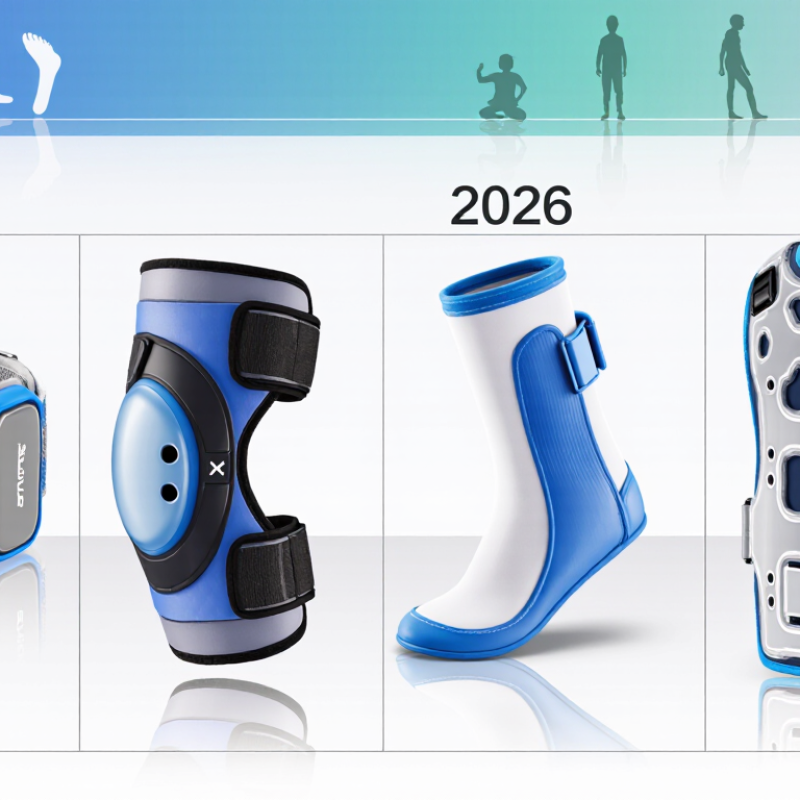
Which Precision Wearable Fixation Devices Are Best in 2026?

Define Precision Wearable Fixation Devices and Their 2026 Use Cases

Which Precision Wearable Fixation Devices Are Best in 2026?

Precision wearable fixation devices are braces, splints, or supports designed to hold a body part in a chosen position. Adjustable straps, shaped shells, and controlled hinges can help limit unwanted movement. “Precision” means the device is fitted to the person and intended task, not simply tight. It should support the target area without creating excessive pressure or restricting circulation.

In 2026, clinicians may use these devices during recovery from certain injuries or surgeries, for joint instability, and in supervised return-to-activity plans. Some models add sensors that record movement or wear time, but data cannot replace an examination. A device that works for a wrist may be unsuitable for an ankle, even if both appear adjustable. Fit is not always perfect on the first try; swelling, clothing, and daily movement can change how it feels.

Tips: Ask a qualified clinician what movement the device should limit and when to wear it. Check for rubbing, numbness, unusual skin color, or increasing pain. Remove it and seek guidance if symptoms worsen; do not tighten straps to compensate for a poor fit.
Compare Adhesives, Straps, and Mounts by Fit, Wear Time, and Skin Contact

Which Precision Wearable Fixation Devices Are Best in 2026?

Fit matters most. Adhesives suit flat, low-motion sites, where a sensor needs close skin contact and minimal bulk. But sweat, hair, and repeated removal can weaken the bond or irritate skin. A systematic review of clinical studies on medical adhesive-related skin injury reported rates ranging from 3.4% to 25.8%, varying by setting and definition. That wide range is a reminder: skin response is individual, not a spec-sheet guarantee. Check the skin after removal, especially around bony areas.

Straps work better over clothing or when users need frequent repositioning, though loose tension can let a sensor shift during a brisk walk. Mounts can protect larger devices and reduce direct adhesive contact, but add weight and may press against the body under a tight sleeve. The 2020 FDA guidance on wireless medical devices emphasizes evaluating performance in the intended use environment; in practical terms, test fixation during ordinary movement, not just while seated. Compare fit, wear time, and skin contact across a full day. A slightly awkward strap can outperform a sleek adhesive patch for one person. That deserves a real-world trial.

Which Precision Wearable Fixation Devices Are Best in 2026?

A qualitative comparison of adhesives, straps, and mounts for fit, wear time, and skin contact.

Ratings use a 1–5 scale, where 5 means more adjustability, longer typical wear, or greater skin contact. These are general, qualitative comparisons—not clinical measurements. Actual wear time and skin exposure vary by product, placement, activity, and individual skin; follow the device instructions.

Evaluate Biocompatibility Under ISO 10993-1:2020

For precision wearable fixation devices, “best” begins with tissue contact, not a feature list. ISO 10993-1:2020 frames biological evaluation as part of a risk-management process. It does not award a universal “biocompatible” label. Evaluation considers contact type, contact site, and duration. A skin-mounted stabilizer worn for hours differs from one used repeatedly under sweat and friction. Small details matter. An edge can rub. An adhesive can leave residue. These conditions may change exposure compared with a clean material sample.

A credible assessment starts with the finished configuration: substrate, adhesive, coating, colorants, and relevant cleaning or sterilization residues. The evaluation plan should explain which biological endpoints apply and why, using existing evidence before commissioning new tests. Chemical characterization and targeted testing can help address specific uncertainties; neither automatically proves safety. Document wear duration, skin assumptions, and foreseeable use, such as a strap being tightened too firmly. Update the assessment when materials or manufacturing change. That step is easy to miss. User behavior varies, and bench tests cannot reproduce every sweaty walk or repeated adjustment. Compare devices through transparent evidence, traceable materials, and realistic use scenarios, not “medical-grade” wording alone.

Compare Adhesive Hold Using ASTM D3330/D3330M Peel Tests

Precision wearable fixation devices should be compared through controlled peel testing, not by adhesive claims alone. ASTM D3330/D3330M provides methods for measuring pressure-sensitive adhesive peel adhesion under specified conditions. The setup matters. Record the peel method, angle, test speed, backing, dwell time, and conditioning before comparing results.

For a useful comparison, apply each device or adhesive sample to the same defined surface, then test consistent specimens with calibrated equipment. Report individual results, averages, and variation. A higher peel value may indicate stronger adhesion in that setup, but it does not automatically mean better comfort or longer wear. Small differences in application pressure or surface preparation can shift the result. That is easy to overlook.

Skin is not a laboratory panel. Sweat, movement, hair, and natural skin variation can change how fixation holds during use. A standard peel test cannot reproduce all of these factors. Pair laboratory data with suitable wear evaluations, and describe their limits clearly. A tidy number can look convincing. It may still miss the real-world failure point.

Which Precision Wearable Fixation Devices Are Best in 2026? — Compare Adhesive Hold Using ASTM D3330/D3330M Peel Tests
Device or Fixation Type Typical Adhesive Interface Relevant ASTM D3330/D3330M Approach What to Record Wearable-Fixation Considerations Evidence Needed Before Ranking
Flexible film sensor patch Pressure-sensitive adhesive coated on a thin, flexible film backing Use the method appropriate to the tape construction; a 180° peel method may be suitable for a single-coated construction. Average peel force per unit width, individual specimen results, failure mode, and test conditions Conformability and edge lift can affect retention during movement; skin preparation and wear conditions should be evaluated separately. Replicate testing on a defined substrate, with controlled conditioning, dwell time, peel rate, and specimen geometry
Medical adhesive tape fixation Pressure-sensitive adhesive on a film, cloth, or nonwoven backing Select the applicable method for the tape construction and intended backing; test the adhesive-to-substrate bond consistently. Peel force per unit width, specimen-to-specimen variation, and whether failure occurs at the adhesive interface or within the backing Backing flexibility, breathability, and adhesive coverage can influence comfort and fixation performance. Testing that matches the intended application surface; a stainless-steel panel result alone does not establish skin performance.
Silicone-adhesive fixation layer Soft silicone pressure-sensitive adhesive, often used where gentle removal is important Use a method permitted for the product construction and document any deviations from the selected standard procedure. Peel force per unit width, removal behavior, failure mode, and relevant test conditions May be selected when atraumatic removal is a priority; retention and removal characteristics should both be assessed. Comparative testing under the same substrate, dwell, conditioning, and peel conditions as other candidates
Hydrocolloid-based fixation dressing Adhesive hydrocolloid layer, commonly supplied as a dressing or fixation interface Choose a suitable peel method only if the specimen can be prepared and tested in a repeatable way; report specimen preparation. Peel force per unit width, material deformation, cohesive failure, and test conditions Moisture, skin condition, and extended wear may change performance; a dry laboratory peel test does not represent every use condition. Repeatable specimen preparation plus separate assessment under relevant moisture and wear conditions
Adhesive-backed textile or nonwoven holder Pressure-sensitive adhesive laminated to a porous or textile backing Choose the method that matches the laminate construction; maintain consistent specimen width and backing preparation. Peel force per unit width, laminate integrity, adhesive transfer, and failure mode Porosity and backing stretch may affect handling, conformability, and the interpretation of peel results. Testing of the complete finished construction, not adhesive material in isolation
Double-sided adhesive mounting layer Adhesive on both sides, sometimes supplied with a release liner Use the ASTM method applicable to double-coated tape or the relevant liner configuration. Peel force for the specified interface, liner-release behavior when relevant, and failure mode Performance depends on which side is bonded to the device and which side is bonded to the intended surface. Separate, clearly identified results for each interface and the finished assembly
Interpretation: ASTM D3330/D3330M provides peel-adhesion test methods; it does not establish a universal “best” wearable device or a single pass threshold. Results depend on the selected method, substrate, specimen preparation, conditioning, dwell time, peel rate, and other stated test conditions. No product-specific peel values are shown here because they require testing of the actual finished devices under a defined protocol.

Assess Device Risk and Usability Under ISO 14971 and IEC 62366-1

Which Precision Wearable Fixation Devices Are Best in 2026?

Assess Device Risk and Usability Under ISO 14971 and IEC 62366-1

The best device is not simply the one that holds firmly. It must maintain position without causing avoidable pressure, restricting movement, or confusing its user. ISO 14971 provides a framework for identifying hazards, estimating risks, and evaluating controls throughout a device’s life cycle. For a wearable fixation device, teams might examine slipping during a walk, skin irritation after several hours, or a strap tightened too far. Small details matter. A buckle that shifts under clothing can change fit and performance. Risk controls should be checked in realistic use, not only on a clean workbench.

IEC 62366-1 focuses on usability engineering and use-related risks. Observe intended users putting the device on, adjusting it, and removing it. Can they find the correct orientation without guessing? Can someone with limited dexterity secure it without help? Test instructions and controls with representative users, then document mistakes and revise the design where needed. No checklist catches everything. A simulated clinic may miss rushed home use, and that gap deserves attention. Compare devices by reviewing their risk-management evidence, usability findings, and performance across relevant body sizes and daily activities. The most convincing choice is one supported by clear testing, traceable decisions, and honest limits—not a claim of perfect safety.

volume-unmute-yellow-icon volume-unmute-blue-icon