Why Choose Shoulder Stabilization Implants for Your Patients?
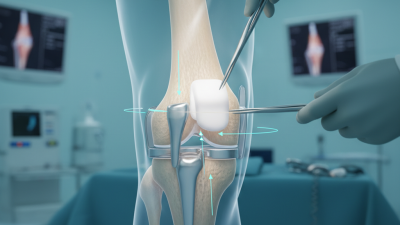
Shoulder stabilization implants have become a pivotal solution in orthopedic procedures aimed at enhancing joint stability. Dr. Emily Johnson, a renowned orthopedic surgeon, emphasizes, “The right implant can significantly improve a patient’s recovery journey.” Her insights underline the importance of personalized approaches in patient care.
These implants offer advantages such as reduced recovery time and increased range of motion. They are designed to address instability that many patients experience after injuries. By using shoulder stabilization implants, surgeons can provide better outcomes for patients who struggle with recurrent dislocations. The precision of these devices allows for tailored solutions specific to each patient’s needs.
However, the choice to use these implants is not without challenges. It requires careful consideration of individual patient factors and potential complications. The nuances of implant selection and surgical technique are critical. While shoulder stabilization implants hold great promise, they require ongoing assessment and reflection on long-term effectiveness. Overall, the integration of these implants in treatment plans marks a significant advancement in orthopedics, but the path forward warrants continuous learning and adaptation.
Understanding Shoulder Instability and the Need for Stabilization
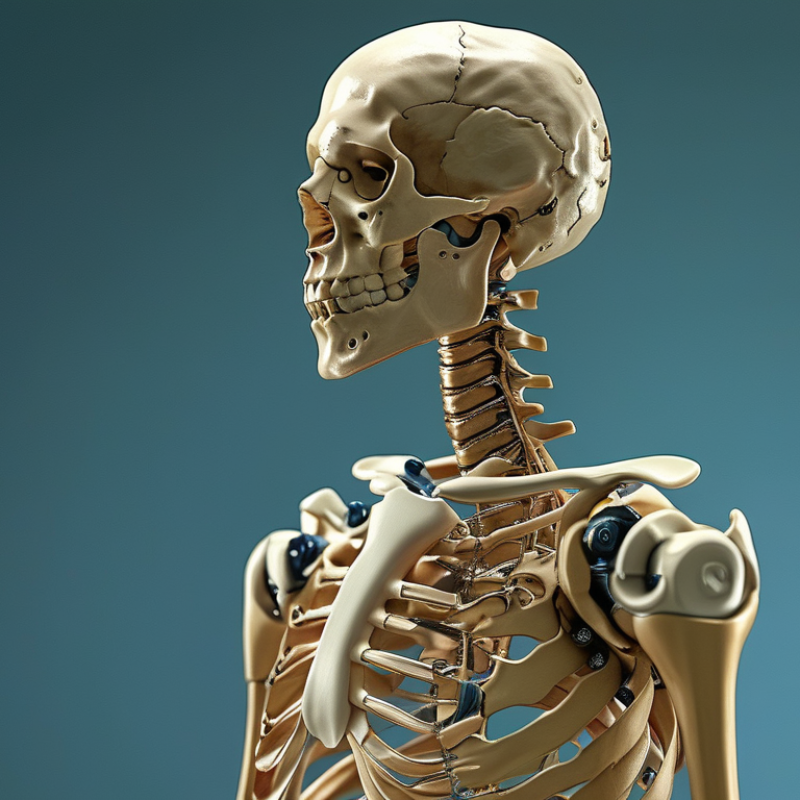
Shoulder instability is a significant concern for many patients, often resulting from traumatic injuries or repetitive overhead motions. According to a study published in the Journal of Shoulder and Elbow Surgery, nearly 50% of athletes experience instability after shoulder dislocation. This high prevalence highlights the importance of effective stabilization techniques.
Shoulder stabilization implants offer a reliable solution for maintaining joint stability. These devices work by securing the joint and reducing the risk of dislocations. Research indicates that around 25% of patients with shoulder instability will have recurrent dislocations if not appropriately addressed. Therefore, understanding the mechanics and effectiveness of these implants becomes crucial for patient outcomes.
It’s essential to consider that not all patients respond identically to these interventions. Factors such as age, activity level, and extent of the injury play a role in recovery. While implants can significantly enhance stability, they may also lead to complications. Some patients experience discomfort or restricted motion post-surgery. These uncertainties emphasize the need for thorough preoperative assessments and patient education to set realistic expectations regarding recovery and potential challenges.
Types of Shoulder Stabilization Implants Available in Orthopedic Surgery
Shoulder stabilization implants have become vital in orthopedic surgery. These devices help manage shoulder instability. Surgeons can choose from various types of implants based on each patient's unique needs. Understanding the available options ensures effective treatment.
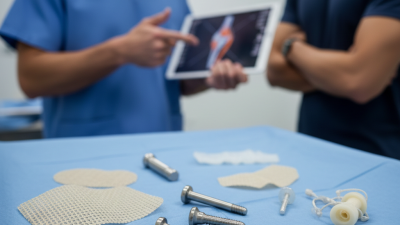
One common type is the Bankart repair implant. This implant is used to fix soft tissue injuries in the shoulder. It is effective for patients with recurrent dislocations. Another type is the plate and screw system. This option provides solid support for bone reconstruction. It allows for proper alignment and stability during the healing process.
Surgeons also consider suture anchor systems. These small devices attach soft tissue to bone. They are designed for minimally invasive procedures. However, surgeons must assess each option carefully. Not all patients respond the same way. Some may experience complications or suboptimal outcomes. Continued research and clinical feedback remain essential in improving these devices.
Why Choose Shoulder Stabilization Implants for Your Patients?
| Implant Type |
Material |
Indication |
Advantages |
Disadvantages |
| Screw-in Anchors |
Titanium |
Shoulder instability |
High pull-out strength |
Invasive procedure |
| Suture Anchors |
Polyethylene |
Rotator cuff repair |
Less bone removal |
May not hold as well as screws |
| Button Devices |
PEEK (Polyether ether ketone) |
Capsular repair |
Secure fixation with low profile |
Possibility of implant migration |
| Plate Constructs |
Metal alloys |
Fracture fixation |
Stability in complex fractures |
More tissue damage |
Advantages of Using Shoulder Stabilization Implants for Patient Recovery
Shoulder stabilization implants offer significant advantages for patient recovery. These implants provide targeted support, reducing the risk of recurrent dislocations. A well-placed implant helps stabilize the shoulder joint, thus promoting healing. Patients experience less pain during rehabilitation. This leads to quicker recovery times and improved functional outcomes.
In addition to mechanical support, the psychological benefits are noteworthy. Patients often report feeling more confident in their shoulder stability. This confidence can enhance their willingness to engage in physical therapy. On the other hand, not all patients adapt to implants as expected. Some may require adjustments, and others experience discomfort. Regular follow-ups are essential to monitor progress.
In complex cases, the recovery journey can be unpredictable. Each patient responds differently to surgeries and implants. Ultimately, ongoing assessment helps tailor the recovery plan. Physicians should remain adaptable and listen to patient feedback. By placing patient needs at the forefront, optimal recovery can be achieved.
Evaluating the Risks and Complications Associated with Implants
Shoulder stabilization implants offer promising benefits but come with essential risks and complications. Researchers highlight that up to 20% of patients experience complications after implantation. Common issues include infection, mechanical failure, and allergic reactions to materials. A recent study showed that 5% of patients faced reoperation due to these complications. Understanding these risks is crucial for informed patient decisions.
Proper evaluation of implant materials is necessary. Certain patients may not respond well to standard materials, leading to unforeseen reactions. In rare cases, metal hypersensitivity can manifest, causing inflammation and pain. It's vital to discuss these potential outcomes during consultations.
Patient education on these risks is vital. Encourage open discussions to ensure they understand the implications. Engaging patients in their treatment plans can foster trust and improve satisfaction. Monitoring and managing complications early can significantly enhance patient outcomes.
Post-Operative Care and Rehabilitation Following Implant Surgery
Post-operative care is crucial for patients undergoing shoulder stabilization implant surgery. Proper rehabilitation can significantly affect recovery. After surgery, patients often experience pain, swelling, and limited mobility. Ice packs can help reduce swelling, and prescribed pain medications ease discomfort. However, it’s important for patients to adhere to their prescribed medication regime. Some may find it difficult to manage pain effectively, leading to frustration.
In the weeks following surgery, rehabilitation exercises are essential. Physical therapists play a key role in guiding patients through these exercises. These exercises typically begin gently, focusing on restoring range of motion. Proper form is critical to avoid setbacks. Patients should monitor their progress closely, noting any difficulties or persistent pain. Regular communication with their healthcare team can address these concerns, ensuring a tailored approach to rehabilitation.
Consistency is vital during rehabilitation. Patients often face challenges like fatigue and lack of motivation. Documenting progress in a journal can serve as a source of encouragement. Reflecting on these emotions can enhance the recovery process. Patients should embrace the journey, recognizing that healing takes time and effort. Even small victories in mobility can lead to greater confidence and independence.