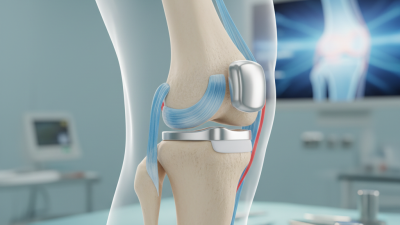
What Are the Top Knee and Hip Motion Restoration Devices?

Knee and hip motion restoration devices aim to help people regain movement after surgery, injury, or conditions such as osteoarthritis. The need is substantial. The World Health Organization reported that 528 million people worldwide lived with osteoarthritis in 2019, including 365 million with knee osteoarthritis (WHO, Osteoarthritis Fact Sheet, 2023). In the United States, the CDC estimated that 32.5 million adults had osteoarthritis in 2019 (CDC, Arthritis Data and Statistics). These figures describe disease burden, not the number of people who need a device. That distinction matters.

Options range from continuous passive motion machines and adjustable braces to neuromuscular electrical stimulation, wearable motion sensors, and robotic-assisted rehabilitation systems. Their purposes differ: some guide a joint through controlled movement, while others support strength, stability, or progress tracking. A motorized knee unit beside a recovery bed looks reassuring, but it is not automatically the right choice. Evidence and clinical guidance vary by device, diagnosis, and stage of recovery. A device that suits one patient may be uncomfortable or unnecessary for another.

This guide compares leading device types, their practical features, and the questions worth asking before use. It also considers safety, fit, and the role of supervision by qualified clinicians. “Motion restoration” can sound like a complete reset. It rarely is. Recovery depends on the underlying condition, treatment plan, and consistent rehabilitation—not a machine alone.
What Are the Top Knee and Hip Motion Restoration Devices?

What Knee and Hip Motion Restoration Devices Are Designed to Do

What Knee and Hip Motion Restoration Devices Are Designed to Do

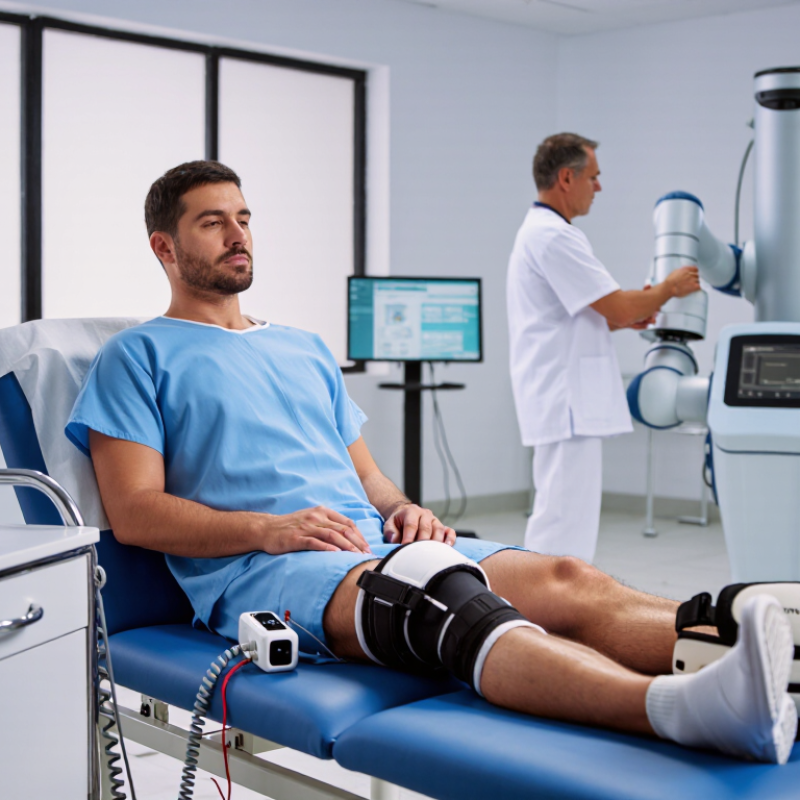
Knee and hip motion restoration devices guide a joint through repeated, controlled movement. Some use a motor to bend and straighten the leg while a person rests; others assist movement during seated exercises. The aim is to support range-of-motion work after surgery or injury, within limits set by a clinician. Think slow, measured motion—not forceful stretching.

Devices may help people practice movement when pain, weakness, or stiffness makes exercise difficult. Settings can include joint angle, speed, and session length. A therapist or surgeon should tailor these to the procedure, swelling, and weight-bearing precautions. More motion is not always better. Stop and seek clinical advice if symptoms worsen.

Evidence calls for modest expectations. A 2014 Cochrane review of 24 trials involving 1,445 knee-replacement patients found continuous passive motion improved knee flexion by about 2 degrees at six weeks, with a confidence interval of 0 to 5 degrees. The review found little meaningful improvement in pain or function. That can feel underwhelming. The American Academy of Orthopaedic Surgeons’ 2020 guideline advises against routine continuous passive motion after uncomplicated knee replacement. For hip recovery, device choice and movement limits depend on the operation and individual precautions; knee findings should not be assumed to apply. A machine can repeat movement, but it cannot judge pain quality or replace hands-on clinical review.

How Motion Restoration Devices Support Joint Rehabilitation

What Are the Top Knee and Hip Motion Restoration Devices?

Motion restoration devices help people practice joint movement during recovery from surgery, injury, or reduced mobility. Some machines move the knee or hip gently while the user relaxes. Others support guided, active movement with adjustable assistance. The right option depends on the joint, recovery stage, comfort, and a clinician’s plan. These devices can make repeated movement easier to manage, but they do not replace supervised rehabilitation or strengthen muscles on their own.

A therapist may set a comfortable range and increase it gradually. For example, a patient might begin with small knee bends while seated, then build toward a wider range as advised. Hip exercises may focus on controlled movement without twisting or forcing the joint. Watch for increased pain, swelling, or unusual discomfort, and tell your care team if these occur. It is easy to mistake more movement for better recovery. Progress can be uneven, and device settings should be reviewed rather than copied from someone else’s routine.

Tips: Keep sessions gentle and follow your prescribed settings. Note discomfort and how the joint feels afterward. Stop if movement causes sharp pain, and ask a rehabilitation professional before changing the range or duration.

What Are the Top Knee and Hip Motion Restoration Devices?

Motion restoration devices can support guided, gradual movement during rehabilitation. The chart shows approximate joint flexion commonly needed for selected daily activities—not treatment targets or device performance ratings.

Values are approximate and vary with the person, activity, and measurement method. A clinician can set appropriate motion goals for an individual rehabilitation plan.

Main Types of Devices for Restoring Knee and Hip Movement

What Are the Top Knee and Hip Motion Restoration Devices?

Main Types of Devices for Restoring Knee and Hip Movement

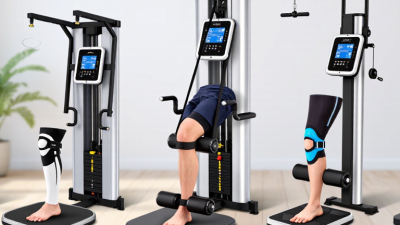
Knee and hip movement devices serve different purposes. Continuous passive motion machines gently bend and straighten a joint while the user rests. They may be prescribed after certain procedures, but they are not suitable for everyone. Stationary pedal exercisers and recumbent cycles support gradual, repeated movement. Resistance should stay light at first. Hinged braces can support a knee or limit unwanted movement during recovery. For hips, a prescribed brace may control positioning rather than increase flexibility.

Walking aids, such as canes and walkers, help people move more safely while strength and balance recover. Wearable powered devices may assist stepping in some supervised rehabilitation settings. They are not routine solutions for every patient. No device fixes everything. That is easy to forget. The right choice depends on the injury, surgery, pain level, and clinician’s plan. Even a useful device can cause problems if it encourages painful movement or replaces needed exercises.

Tips: Ask a physical therapist how long to use a device and what discomfort warrants stopping. Keep the floor clear, check straps for rubbing, and record changes in pain or swelling. Progress can be uneven; that deserves attention, not blame.

How Device Features Differ by Joint and Rehabilitation Need

Knee and hip motion devices may look similar, but their movement paths and setup needs differ. A knee unit usually guides the lower leg through controlled bending and straightening. Its supports should hold the thigh and ankle comfortably, without pressing on tender areas. Small range changes matter. After surgery or injury, clinicians may set limits based on healing and pain.

Hip devices often need closer attention to trunk position and leg alignment, since the joint moves in several directions. Some systems guide gentle flexion and extension; others support limited rotation or movement away from the body. That distinction matters when a care plan restricts certain motions. Fit is not cosmetic. A loose strap can let the leg drift, while an overly tight one may irritate skin.

Rehabilitation needs also shape the choice. Someone unable to move independently may need powered assistance. A person rebuilding control may use a simpler aid under supervision. Useful features include gradual speed settings, clear range limits, emergency stop controls, and an easy way to report discomfort. More settings do not automatically mean better therapy. Even careful fitting can miss a pressure point until a session begins.

What Are the Top Knee and Hip Motion Restoration Devices? - How Device Features Differ by Joint and Rehabilitation Need

Device Type Main Motion Supported Typical Knee Use Typical Hip Use Assistance and Adjustability Best Suited Rehabilitation Need Important Considerations
Continuous passive motion (CPM) machine Repeated, motor-driven bending and straightening while the user is reclined. May be prescribed after selected knee procedures to provide controlled passive movement. Less commonly used; hip applications depend on the procedure, device design, and clinician protocol. Moves the limb without requiring the user to generate the motion. Range, speed, and session settings vary by model. People who need externally assisted, repetitive joint movement under a prescribed protocol. Does not replace strengthening, walking practice, or active exercise. The appropriate range and duration should be set by a clinician.
Recumbent or stationary cycle Repeated cycling through hip and knee flexion and extension. Commonly used for progressive range-of-motion and endurance exercise when cycling is permitted. Can support controlled hip movement and lower-limb conditioning, subject to post-operative precautions. Pedal resistance and seat position are adjustable on many models; the user supplies most of the movement. People ready for active, repetitive movement and gradual conditioning. Seat position affects joint angles. Full pedal rotation may not be possible at first; follow the prescribed progression and any movement precautions.
Portable pedal exerciser Seated, repetitive pedaling with a compact floor-mounted unit. May provide low-load, active movement when a full-size cycle is unavailable or unsuitable. Can encourage gentle hip and knee movement in a seated position. Usually user-powered; some models offer adjustable resistance. It does not typically guide the limb through a set range. People seeking a compact option for light, self-directed movement after receiving exercise guidance. Stability, chair height, and resistance matter. It may be unsuitable when weight-bearing, range, or movement restrictions apply.
Pulley, strap, or towel-assisted range-of-motion aid Uses the arms or the opposite limb to assist movement of the recovering leg. Can assist with controlled knee bending or straightening exercises, depending on the technique taught. May assist selected leg movements, but the movement must respect hip precautions and the prescribed range. Assistance is controlled by the user; no motor or automatic motion is provided. People who can follow instructions and need light assistance with home exercises. Technique is important. Stop if movement causes sharp pain, and do not use an aid to force the joint beyond the clinician-approved range.
Knee range-of-motion board or flexion-assist device Supports graded knee bending, often using body position or controlled self-applied force. Designed specifically to help practice knee flexion; some designs also support extension positioning. Not designed to restore hip motion. Generally user-controlled; resistance or positioning features differ by design. People whose rehabilitation plan specifically targets knee range of motion. It should not be used to force a painful stretch. Device selection and use should match the treating clinician’s instructions.
Gait-training system with body-weight support Guided or assisted standing, stepping, and walking practice. Provides functional practice involving repeated knee movement during stance and swing. Provides functional practice involving hip movement during stepping and walking. May support some body weight and provide therapist assistance; features vary substantially across systems. People who need supervised practice of functional lower-limb movement or walking. Typically used in a clinical setting. It is a functional training option, not a substitute for an individual joint range-of-motion program.

Selection note: Device suitability depends on the diagnosis, procedure, healing stage, mobility, and any weight-bearing or movement precautions. A rehabilitation professional should guide device choice, setup, and progression.

Safety and Clinical Factors in Choosing a Motion Restoration Device

What Are the Top Knee and Hip Motion Restoration Devices?

Safety and Clinical Factors in Choosing a Motion Restoration Device

Choosing a knee or hip motion-restoration device starts with the person, not the machine. Options include continuous passive motion units and devices that support active or assisted movement. Check the surgical plan, joint stability, wound condition, swelling, sensation, circulation, and the patient’s ability to use the device safely. Fit matters: straps should not press on a fresh incision, and movement should not cause sharp pain or new numbness. Stop and contact the treating clinician if concerning symptoms appear. Small details count.

Evidence also matters. The American Physical Therapy Association’s 2020 clinical practice guideline advises against routine continuous passive motion after uncomplicated primary total knee replacement. A 2014 Cochrane review of 24 trials involving 1,445 people found an average knee-flexion gain of about 2 degrees at six weeks, with a confidence interval of 0 to 5 degrees. That modest average is not an individual prescription. The evidence is uneven, especially for hip procedures, so knee findings should not be assumed to apply to hip recovery. A clinician can weigh goals, precautions, comfort, and likely adherence before recommending a device. A practical question: can the patient position it correctly and use it without worsening symptoms?

volume-unmute-yellow-icon volume-unmute-blue-icon