Why Choose Shoulder Stabilization Implants?
Why choose Shoulder stabilization implants? The answer begins with anatomy, not marketing. The shoulder offers exceptional movement, yet its shallow socket provides limited bony restraint. As Frederick A. Matsen III, MD, has stated, “The shoulder is the most mobile joint in the body, and therefore the least stable.”
That imbalance becomes visible after recurrent dislocation, traumatic bone loss, or failed soft-tissue repair. Shoulder stabilization implants can support fixation when sutures alone may not provide enough strength. Their role depends on the defect, bone quality, activity level, and surgical technique. A contact athlete with repeated instability may need a different solution from a first-time dislocation patient.
Clinical evidence matters. The American Academy of Orthopaedic Surgeons reports more than 50,000 shoulder replacement procedures annually in the United States, showing the scale of shoulder-device use. However, replacement data should not be confused with stabilization outcomes. That distinction is important. Market analyses from Grand View Research and Research and Markets also forecast continued growth in shoulder implants, driven by aging populations, sports injuries, and improved fixation systems.
Experienced surgeons still assess CT images, glenoid bone loss, recurrence risk, and rehabilitation capacity before recommending an implant. The smallest device is not automatically the safest choice. Nor is the newest design always better.
That is the uncomfortable part.
Long-term evidence remains uneven across implant types and patient groups. A careful decision compares stability, range of motion, complications, revision risk, and surgeon experience. For suitable patients, Shoulder stabilization implants may provide dependable support and a clearer path back to daily movement.
What Are Shoulder Stabilization Implants?
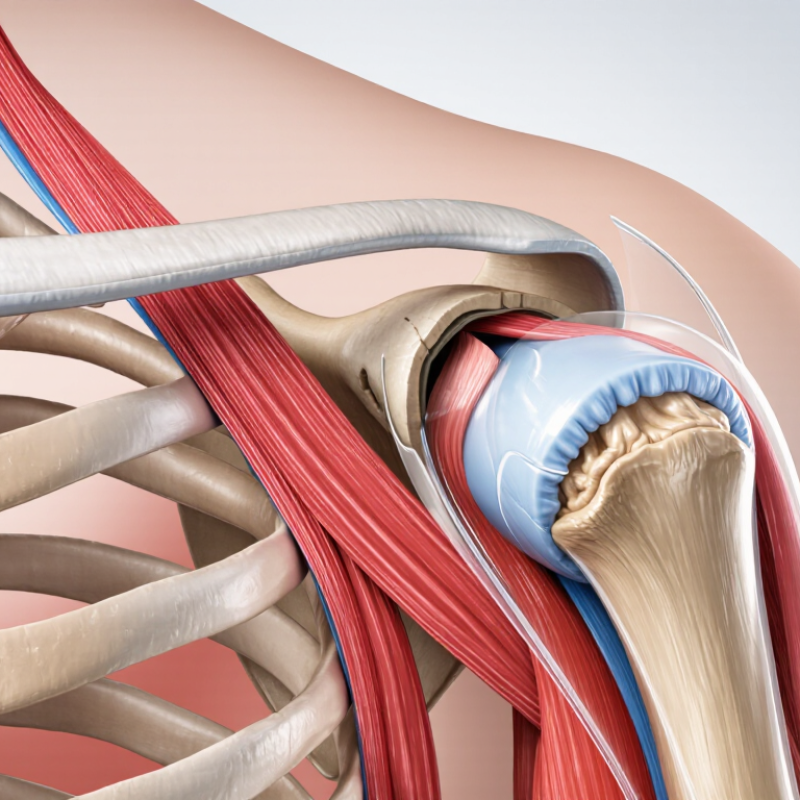
Shoulder stabilization implants are medical devices used to help control an unstable shoulder. They may include small anchors, screws, or other fixation components. Surgeons place them during procedures that repair torn soft tissue or support weakened bone. The goal is simple: keep the ball centered in the socket during movement.
These implants can help people with repeated dislocations, painful slipping, or instability after injury. However, they are not a magic fix. A surgeon must assess imaging, muscle control, activity level, and previous injuries. Recovery often includes a sling, guided exercises, and gradual return to work or sport. Implant choice depends on anatomy and surgical findings. Even experienced teams cannot predict every recovery perfectly. That uncertainty deserves honest discussion.
Tips:
Ask what problem the implant will address. Request a clear explanation of its material, placement, and expected lifespan. Discuss possible risks, including stiffness, infection, nerve irritation, or continued instability. Follow rehabilitation instructions closely, even when the shoulder feels better. Report increasing pain, swelling, fever, numbness, or unusual movement promptly. A second professional opinion may help when the proposed procedure feels unclear.
Why Choose Shoulder Stabilization Implants? – What Are Shoulder Stabilization Implants?
| Implant Type |
What It Is |
Primary Stabilization Role |
Typical Use |
Key Considerations |
| Suture Anchor |
A small implant that secures sutures to bone. |
Reattaches torn capsular or labral tissue to the glenoid rim. |
Arthroscopic or open repair of anterior, posterior, or superior labral injuries. |
Anchor placement, tissue quality, bone quality, and knot or suture management can affect the repair. |
| All-Suture Anchor |
A soft, flexible anchor made primarily from high-strength sutures. |
Provides tissue-to-bone fixation while requiring a relatively small bone tunnel. |
Labral repair when preservation of the glenoid bone surface is important. |
Correct insertion depth and secure seating are important to reduce pullout or tunnel-related problems. |
| Metal or Polymer Anchor |
A rigid anchor manufactured from metal or a medical-grade polymer. |
Maintains suture fixation between the repaired soft tissue and bone. |
Shoulder instability repairs requiring a rigid anchor body. |
Material properties, implant position, bone contact, and the possibility of imaging artifacts vary by design. |
| Compression Screw |
A screw used to compress and secure a bone block or fracture fragment. |
Provides rigid fixation and helps restore the anterior glenoid bone contour. |
Bone-block procedures for recurrent instability with significant glenoid bone loss. |
Screw position, bone-block alignment, healing, and potential hardware prominence require follow-up. |
| Fixation Button |
A small plate-like device that distributes fixation force over bone. |
Secures a tendon, graft, or bone block through a drilled tunnel. |
Selected reconstruction techniques involving soft-tissue or bone-graft fixation. |
Tunnel position, button seating, graft tension, and protection during healing are clinically important. |
| Interference Screw |
A screw that compresses a tendon or graft against the wall of a bone tunnel. |
Creates direct fixation between the graft and the surrounding bone. |
Selected tendon or graft-based stabilization procedures. |
Graft size, tunnel preparation, insertion torque, and bone quality influence fixation strength. |
| Remplissage Anchors |
Anchors used to attach the posterior capsule and infraspinatus tendon into a humeral head defect. |
Fills or partially covers a Hill-Sachs lesion to reduce engagement with the glenoid rim. |
Anterior instability associated with an engaging or clinically significant Hill-Sachs lesion. |
The effect on external rotation and the suitability of the procedure depend on lesion size, location, and patient activity. |
| Bioabsorbable Implant |
An implant designed to gradually break down in the body over time. |
Provides temporary fixation while biological healing develops. |
Certain soft-tissue repairs where long-term permanent hardware is not required. |
Degradation behavior, inflammatory response, bone integration, and implant design must be considered. |
Why choose shoulder stabilization implants?
They can help restore the relationship between soft tissue and bone, secure a bone block or graft, address selected bone defects, and support healing after stabilization surgery. Implant selection depends on the instability pattern, labral or tendon injury, glenoid and humeral bone loss, bone quality, surgical technique, and the patient’s activity requirements.
Note: The appropriate implant and surgical technique should be selected by a qualified orthopedic professional after clinical examination and appropriate imaging.
Which Shoulder Conditions May Require Implant Support?
Shoulder stabilization implants may be considered when damaged tissue cannot reliably hold the joint in position. Repeated dislocations are a common concern. Each episode can stretch the capsule, tear the labrum, or wear away bone. Some patients describe a shoulder that slips during sleep, dressing, or a simple reaching movement. That detail matters.
Implant support may also enter the discussion after a fracture, major bone loss, or failed soft-tissue repair. In selected cases, screws, anchors, plates, or replacement components can restore alignment and improve stability. Severe arthritis combined with a weak rotator cuff may require a different implant strategy. A surgeon reviews X-rays, CT scans, MRI findings, age, activity, and previous operations before recommending treatment. The implant is only one part of the plan. Rehabilitation protects the repair.
Not every unstable shoulder needs an implant. A first-time dislocation may improve with guided therapy, depending on age, injury pattern, and future activity. The difficult part is that imaging never tells the whole story. Pain, fear of movement, muscle control, and work demands can change the decision. Patients should ask how much bone is missing, why an implant is needed, and what could happen without it. Outcomes vary, and recovery can be slower than expected. That deserves an honest conversation.
Why Choose Shoulder Stabilization Implants?
Implant-supported stabilization may be considered when shoulder instability is associated with meaningful glenoid bone loss, a large humeral head defect, recurrent dislocation, or failed soft-tissue repair. The chart shows commonly cited glenoid bone-loss ranges that can influence the choice between soft-tissue stabilization, remplissage, bone augmentation, or other implant-supported reconstruction.
These ranges are clinical decision thresholds rather than disease-prevalence statistics. Exact treatment depends on patient age, activity level, instability pattern, bone quality, imaging findings, and surgeon assessment. Thresholds are based on commonly reported instability literature, including the critical bone-loss range of approximately 20–25% of the anterior glenoid width.
How Do Shoulder Stabilization Implants Restore Joint Stability?
Shoulder stabilization implants restore joint stability by controlling how the humeral head moves inside the glenoid. During surgery, small fixation devices secure the torn labrum and capsule against the socket rim. This rebuilds the soft-tissue bumper that limits unwanted translation. Some implants also support bone restoration when repeated dislocation has reduced the glenoid surface.
Stability is three-dimensional. The repair must resist forward, backward, and rotational forces. Experienced surgeons assess bone loss, tissue quality, sport demands, and previous operations before selecting an implant strategy. Published systematic reviews report recurrent instability after arthroscopic soft-tissue repair at approximately 10–20%, with higher rates among contact athletes and patients with significant bone loss (Journal of Shoulder and Elbow Surgery, 2022–2023 reviews). These figures vary because patient selection and surgical techniques differ.
Implants do not work alone. Healing gradually bonds the repaired labrum and capsule to the bone, while rehabilitation restores muscular control around the shoulder. The American Academy of Orthopaedic Surgeons emphasizes structured recovery, including protected motion and progressive strengthening. In practice, a patient may feel stable before the tissues are fully healed, which can invite premature loading. That is where careful follow-up matters. Fit matters. Even a technically secure implant cannot correct poor positioning, untreated bone loss, or rushed rehabilitation. Some evidence remains incomplete, especially for long-term outcomes in younger, high-demand athletes. Further registry data should clarify which implant designs provide durable stability across different shoulder conditions.
How Are Patients Evaluated and Implants Placed?
Before choosing shoulder stabilization implants, surgeons assess why the joint feels unstable. They review dislocations, sports demands, pain patterns, and previous treatment. A physical examination checks motion, strength, looseness, and shoulder blade control. These details matter.
X-rays may reveal bone loss or fractures. MRI or CT scans can show damaged labrum, tendons, cartilage, and joint structure. Imaging does not tell the whole story. A scan can look reassuring while daily movements remain frightening. Medical history, activity goals, smoking status, and general health also influence planning. The surgeon should explain alternatives, possible complications, recovery limits, and the uncertainty around outcomes. Patients need time to ask direct questions.
During placement, the patient receives anesthesia, and the surgical team positions the arm carefully. Depending on the injury, the surgeon may use a small camera through several openings or make a larger incision. Damaged soft tissue is repaired, then secured with carefully positioned implants. The surgeon checks tension and shoulder movement before closing the incisions. Implant size, location, and fixation strength require precision; excessive tightening may restrict motion, while insufficient stabilization may allow another dislocation. Surgical plans sometimes change after the joint is inspected. That is not necessarily a failure, but it deserves honest discussion. Afterward, a sling, wound care, and supervised rehabilitation protect the repair while movement gradually returns. Recovery is rarely perfectly predictable.
What Benefits, Risks, and Recovery Factors Should Be Considered?
Shoulder stabilization implants are considered when repeated dislocations damage the labrum, capsule, or bone. They may secure repaired tissue against the socket while healing occurs. The main benefit is mechanical support. Patients may regain stability, reduce fear of movement, and return to work or sport more confidently. Yet an implant does not replace careful diagnosis. CT or MRI findings, activity demands, and previous surgery can change the plan.
Risks include infection, bleeding, nerve irritation, stiffness, and recurrent instability. Some patients develop persistent pain or sensitivity around the fixation site. Rarely, an implant can loosen, migrate, or require removal. These risks depend on bone quality, tissue damage, surgical technique, and general health. A qualified orthopedic specialist should explain realistic alternatives, including nonoperative rehabilitation. The right choice is personal.
Recovery commonly begins with a sling, followed by protected range-of-motion exercises. Strengthening usually comes later, because early stress may compromise healing. Return to driving, overhead work, or contact sports varies widely. Physical therapy attendance matters, but so do sleep, nutrition, and avoiding tobacco. A gradual plan is safer than chasing a calendar date. Even with excellent care, recovery may feel uneven. That uncertainty deserves honest discussion before surgery.